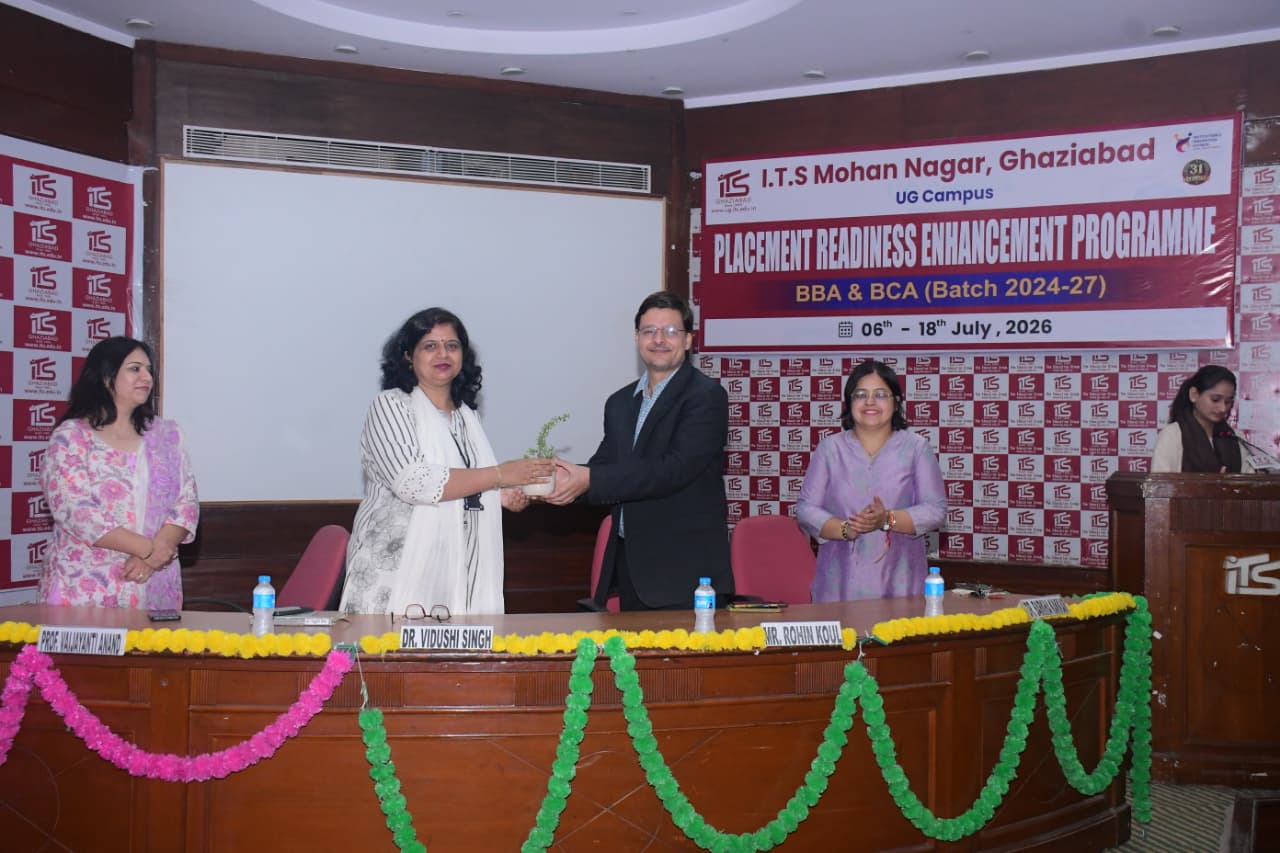
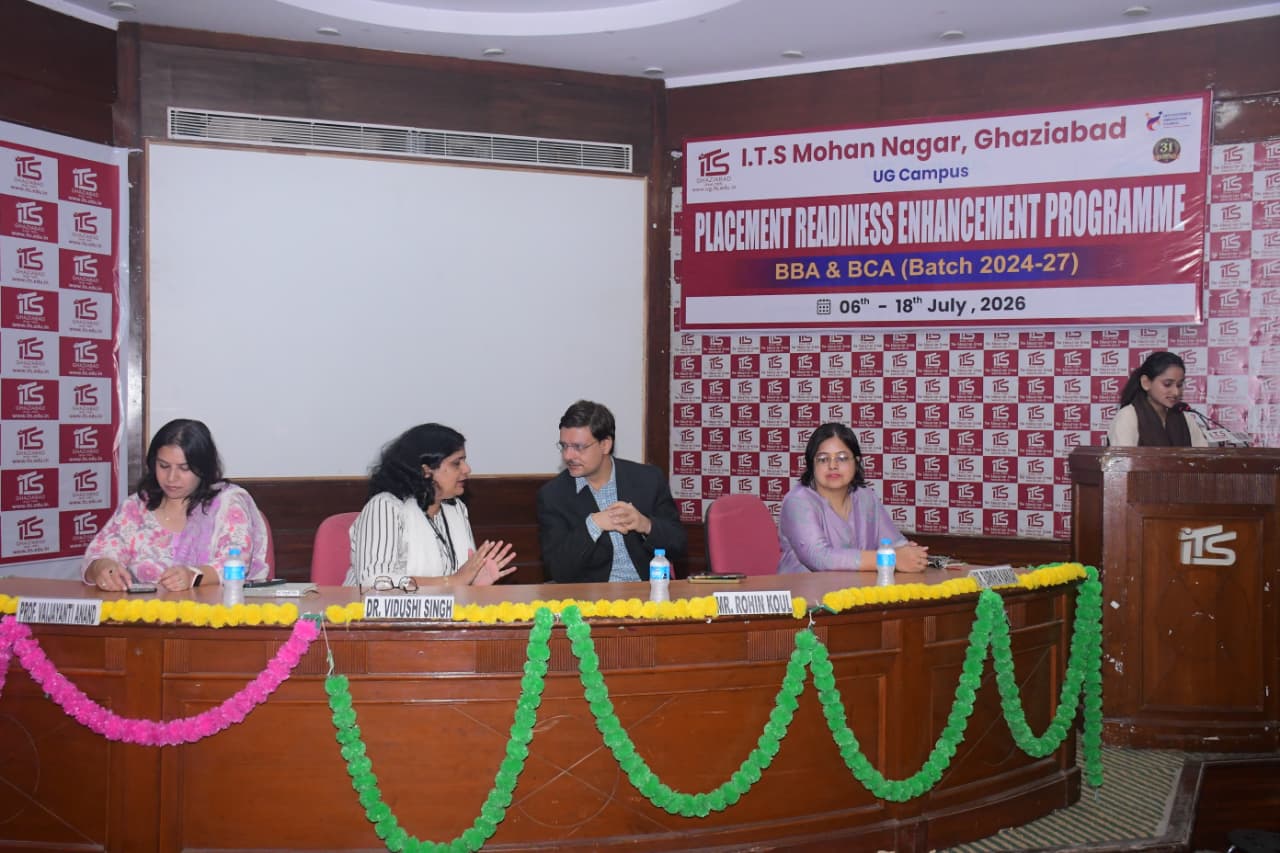
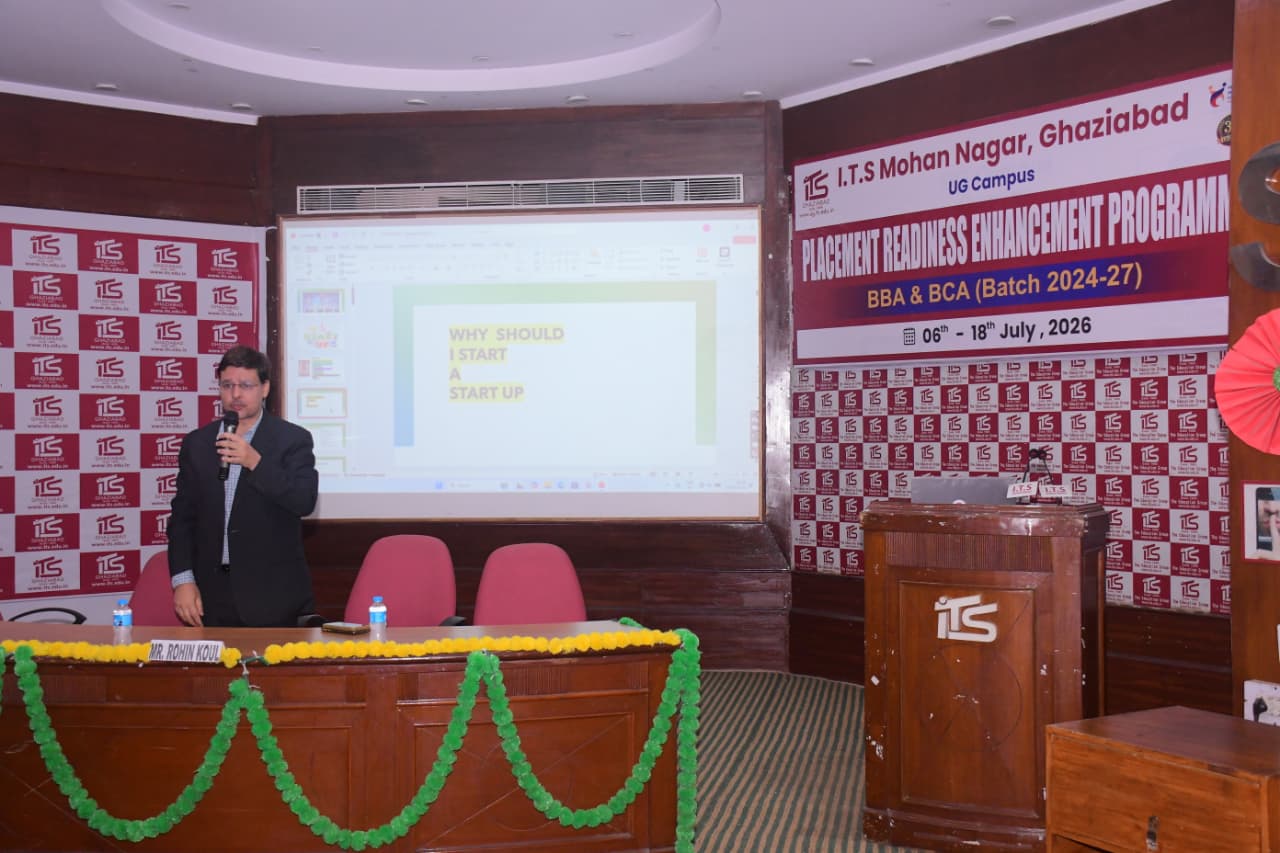
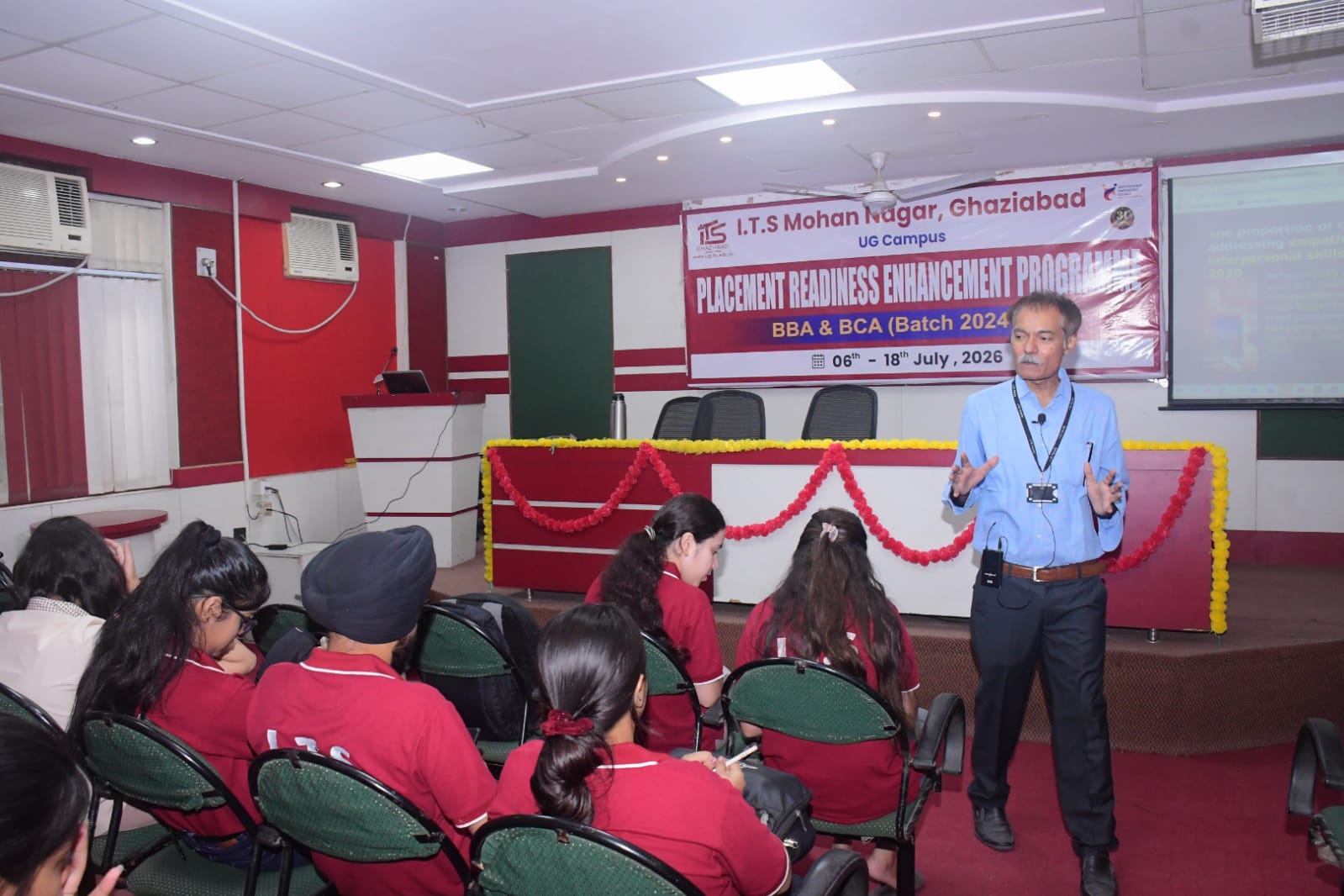
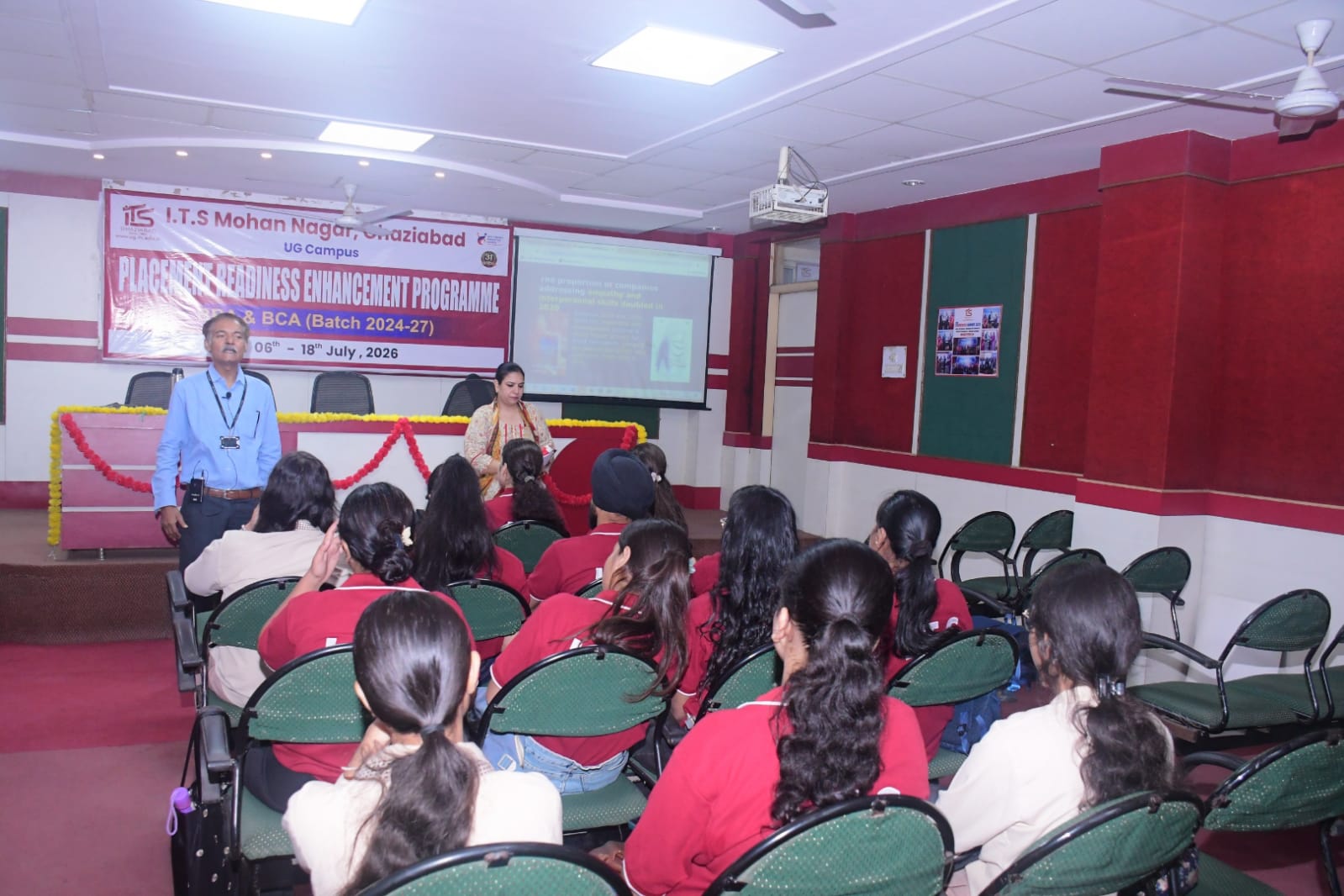
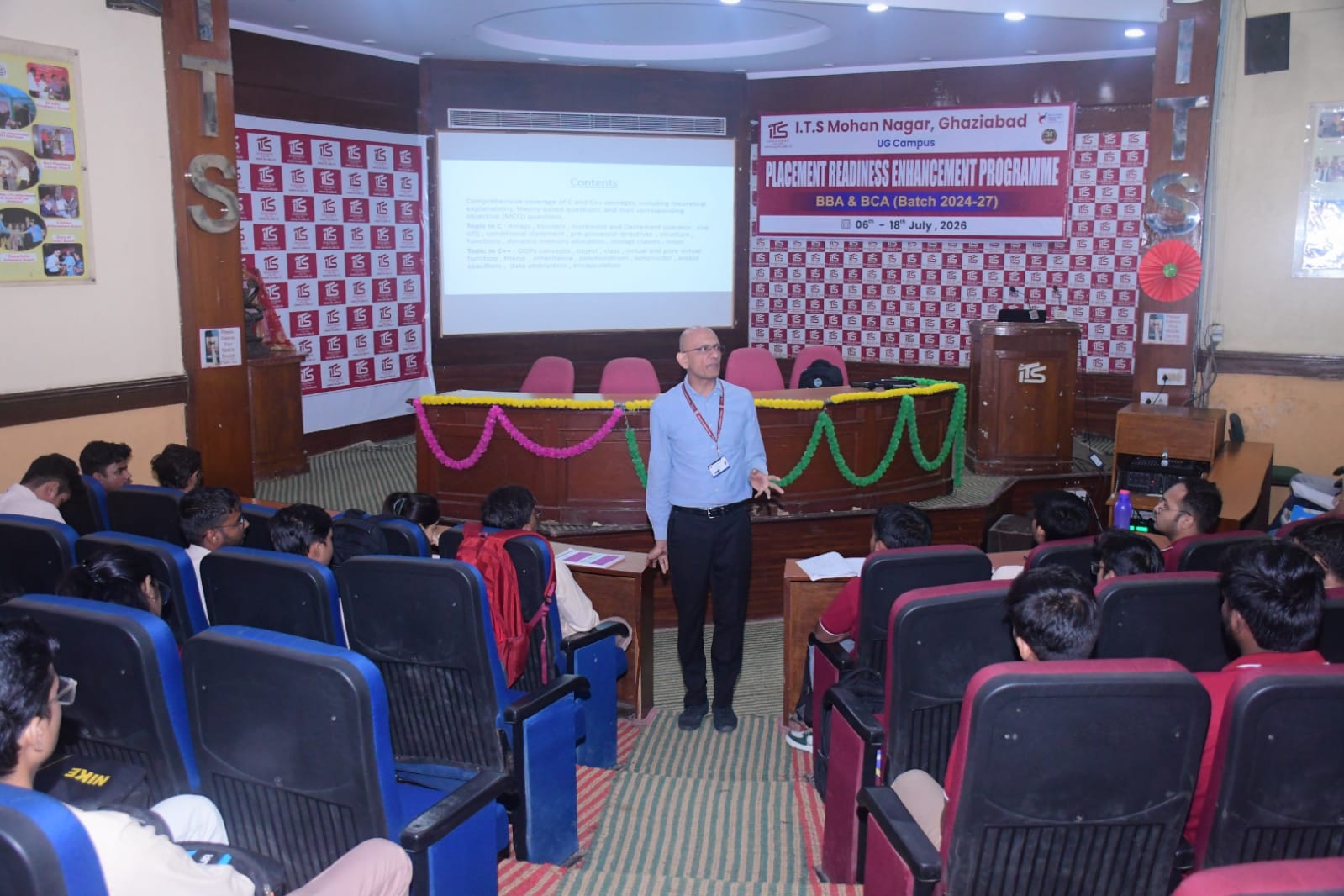
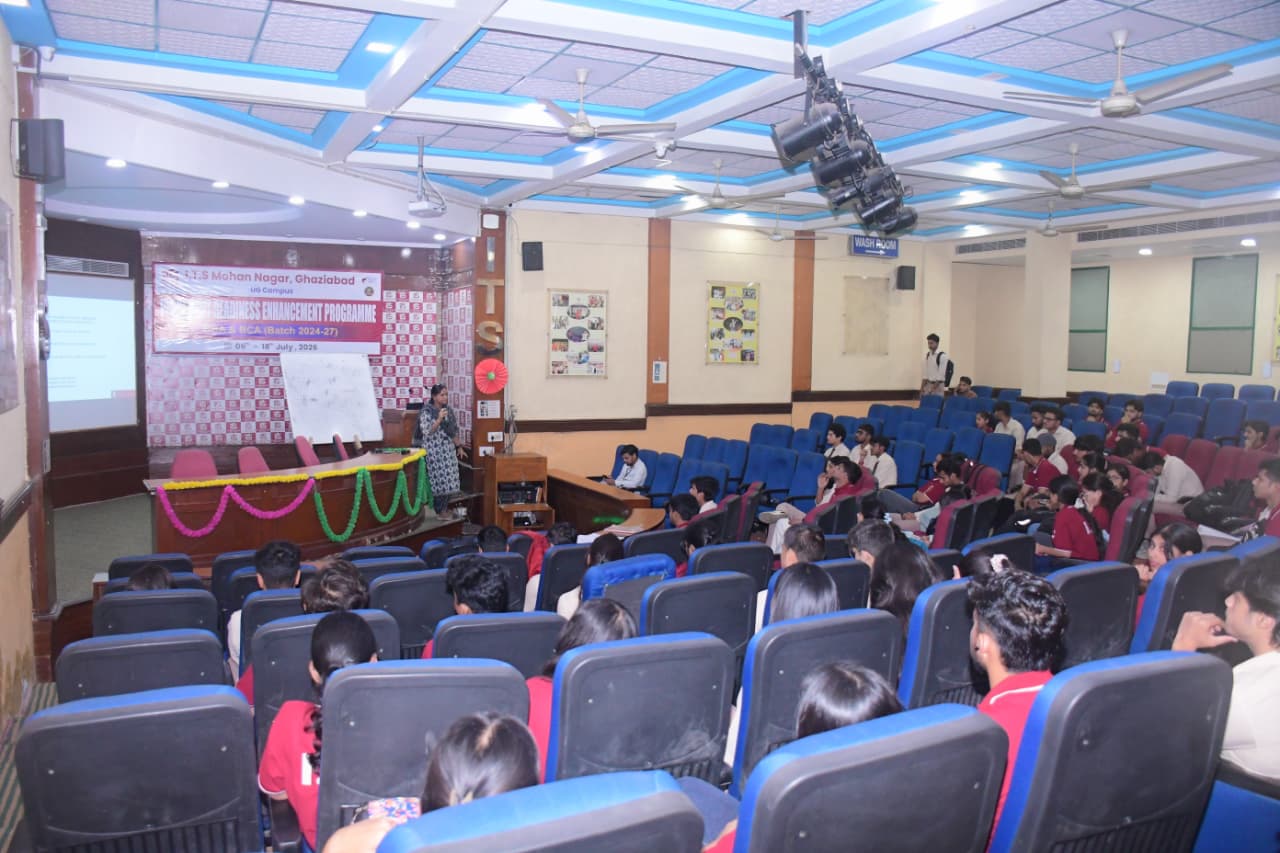
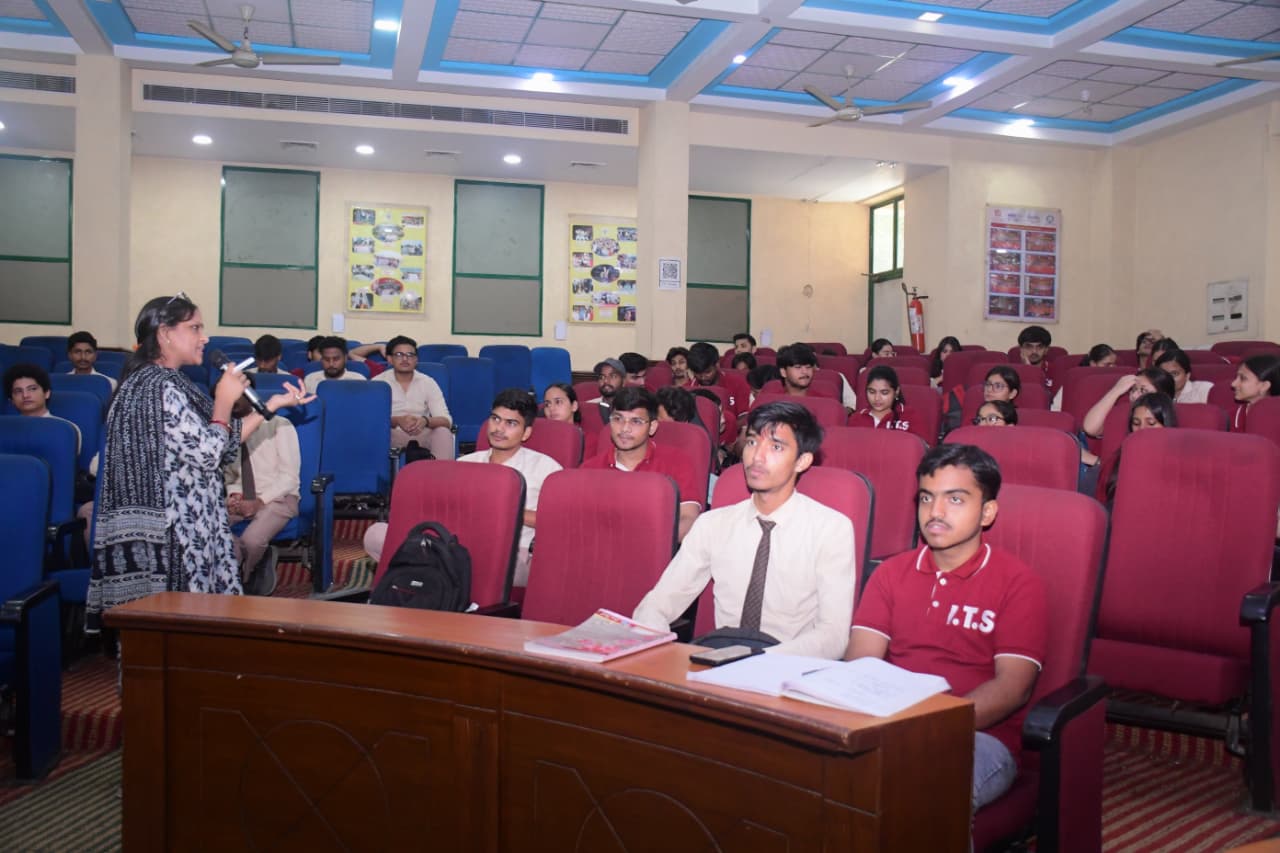
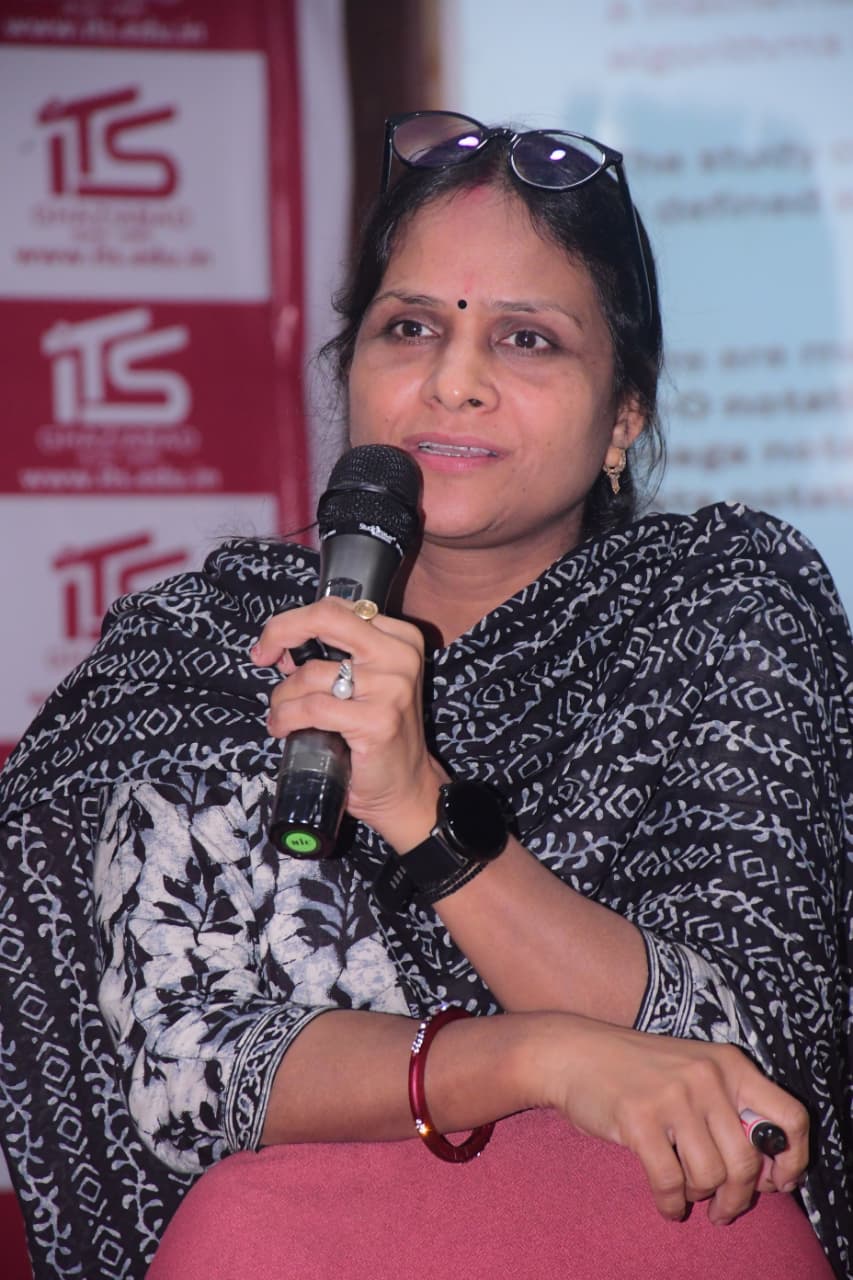
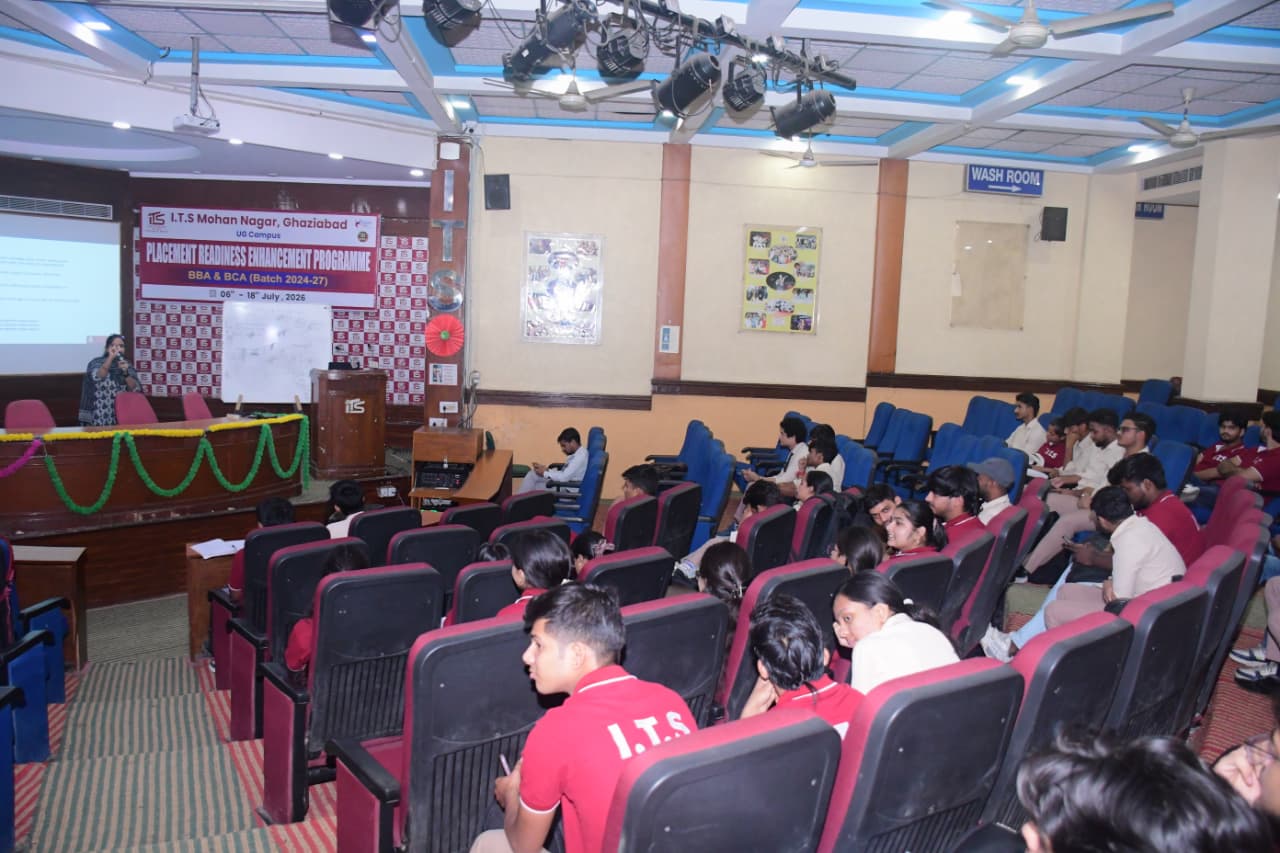
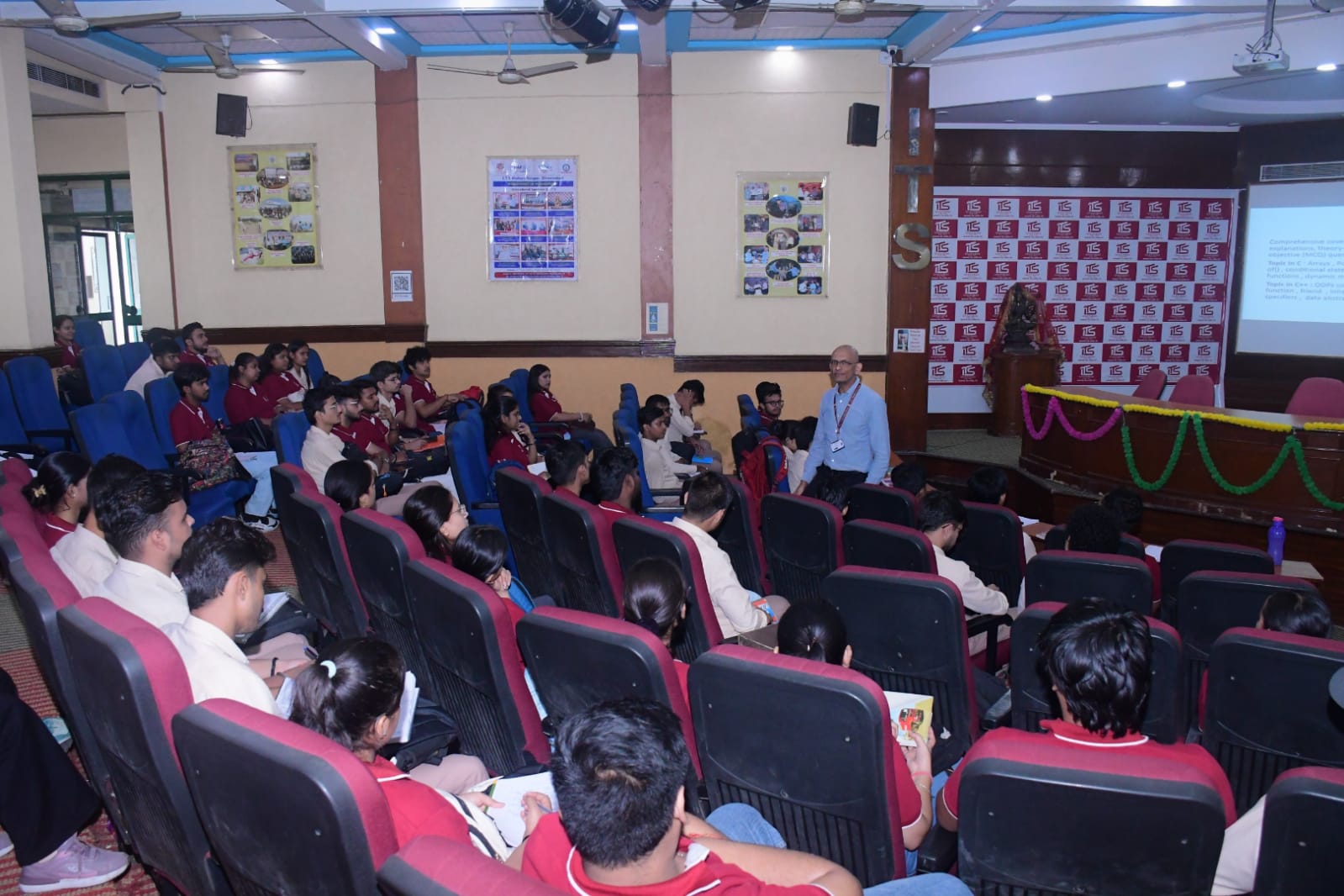
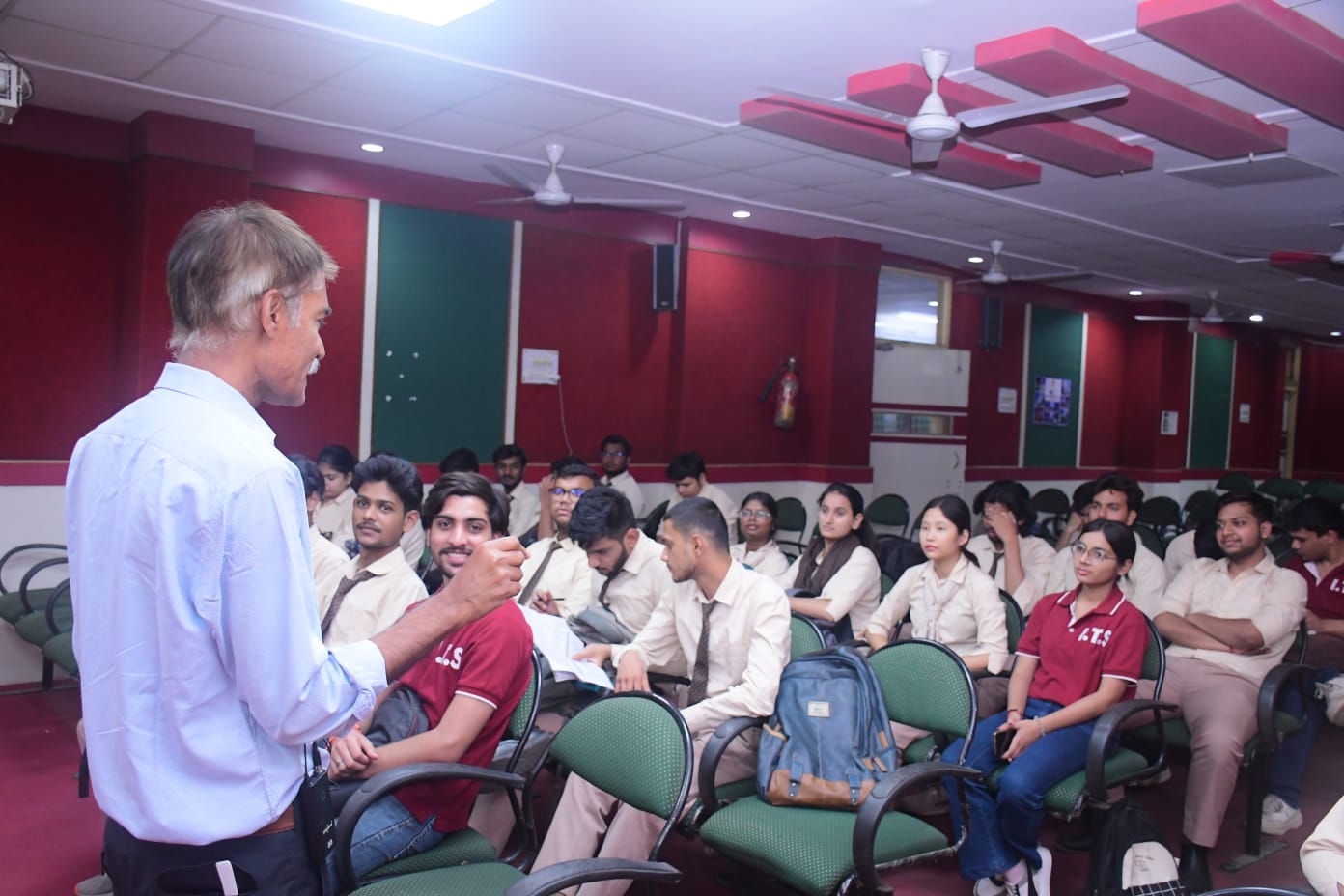
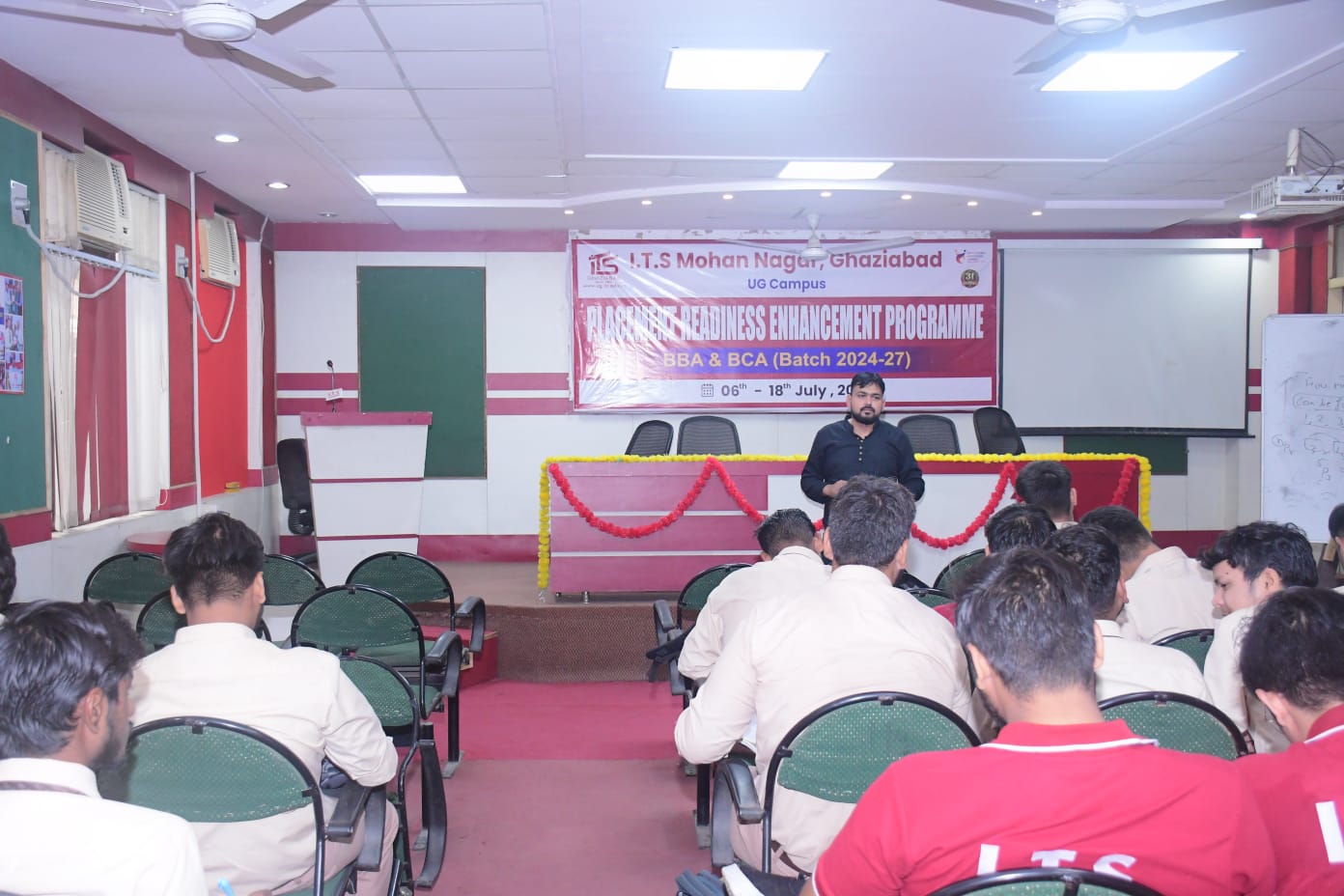
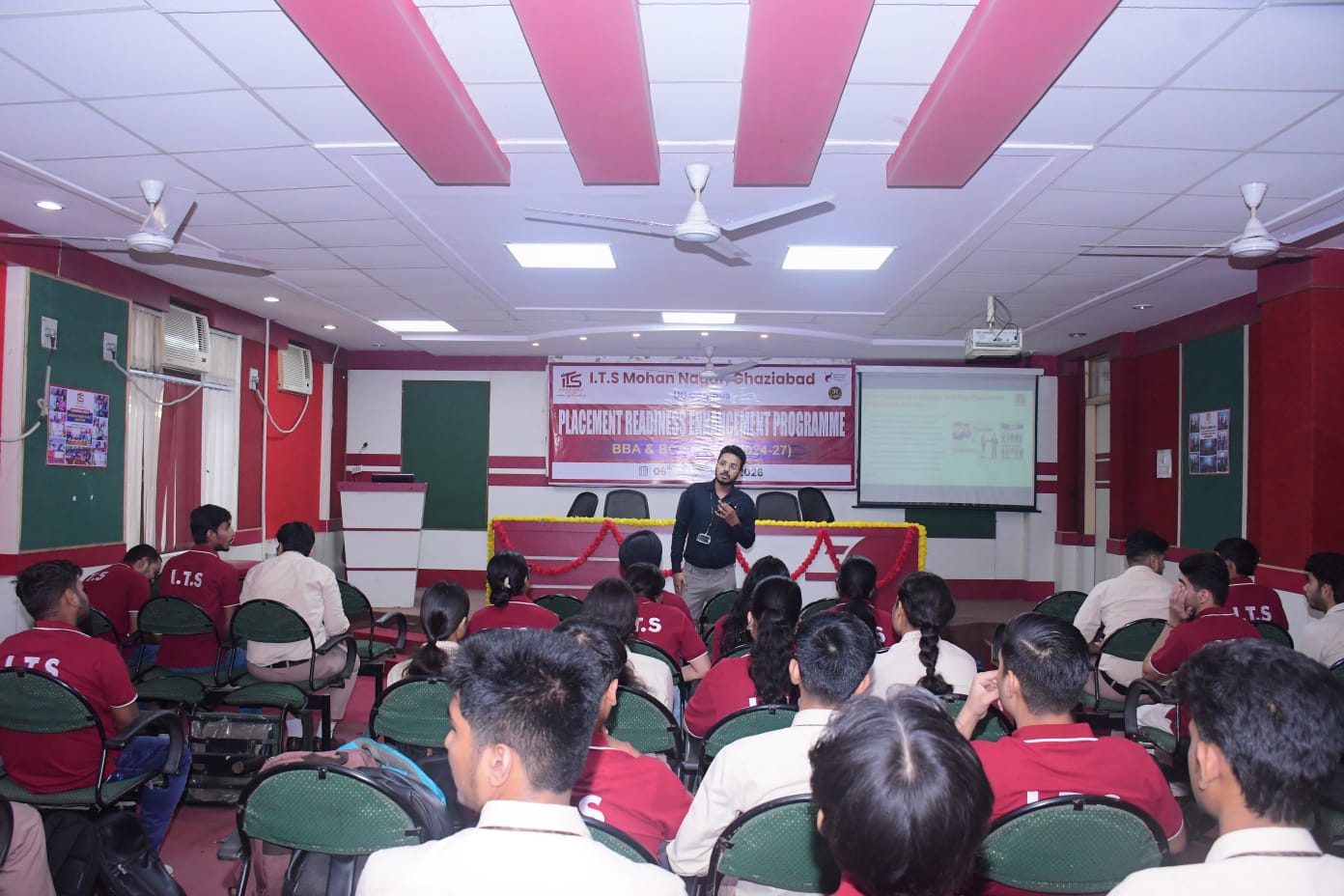
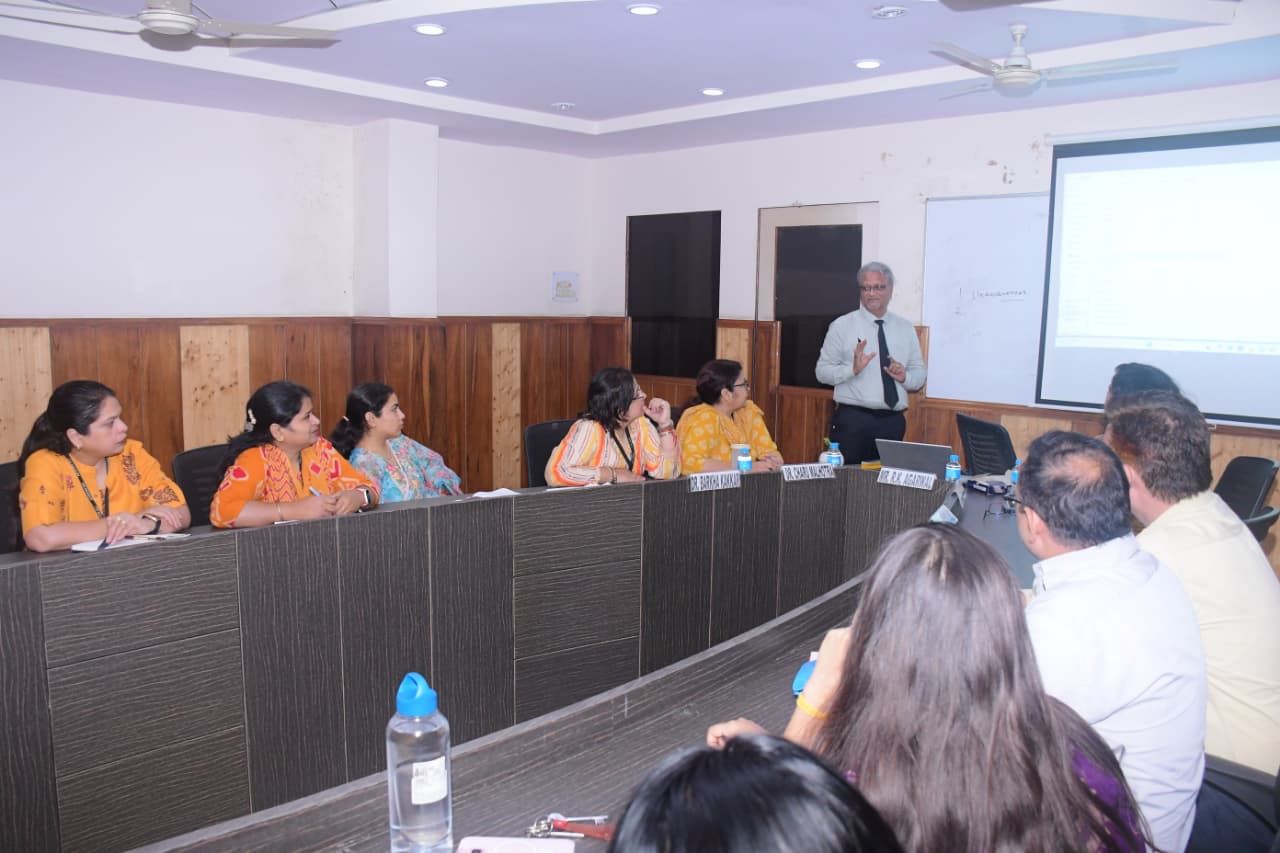
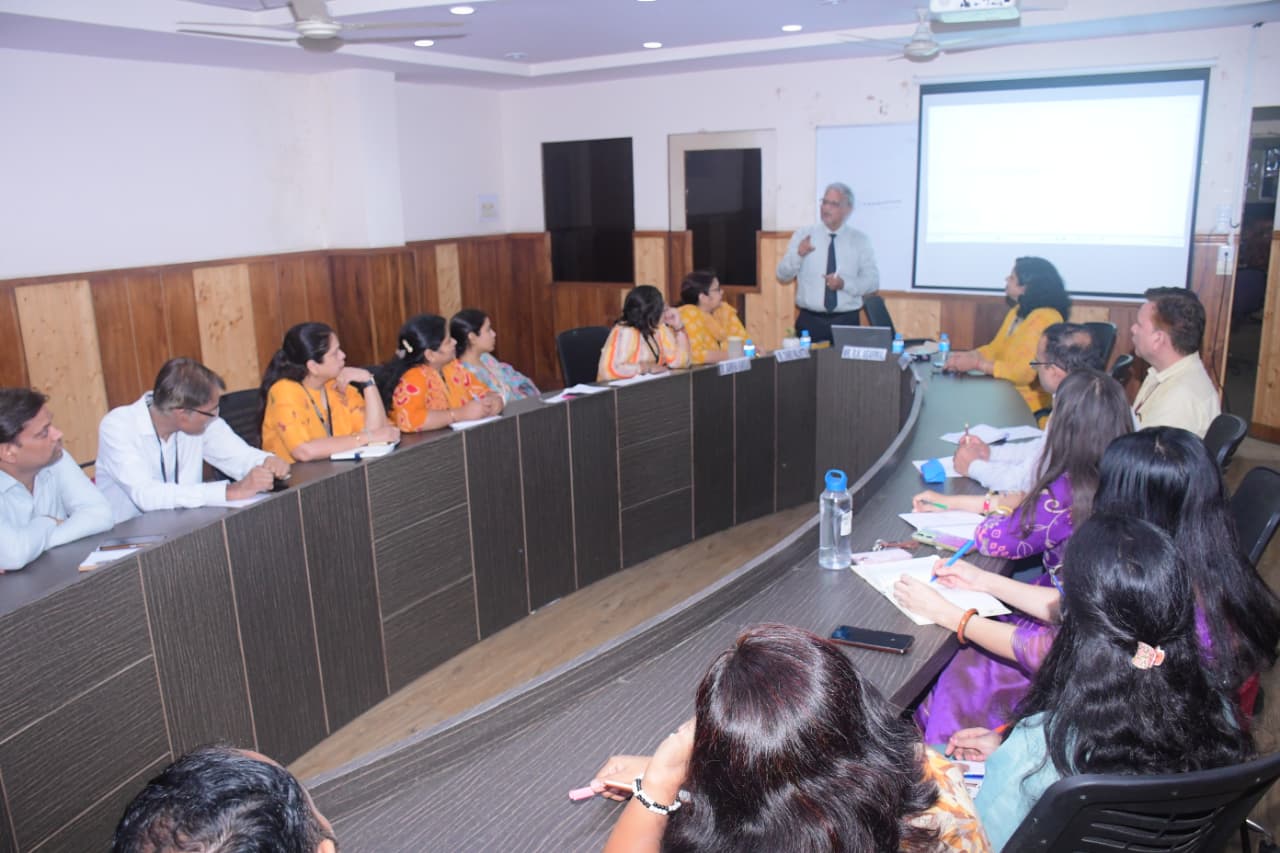
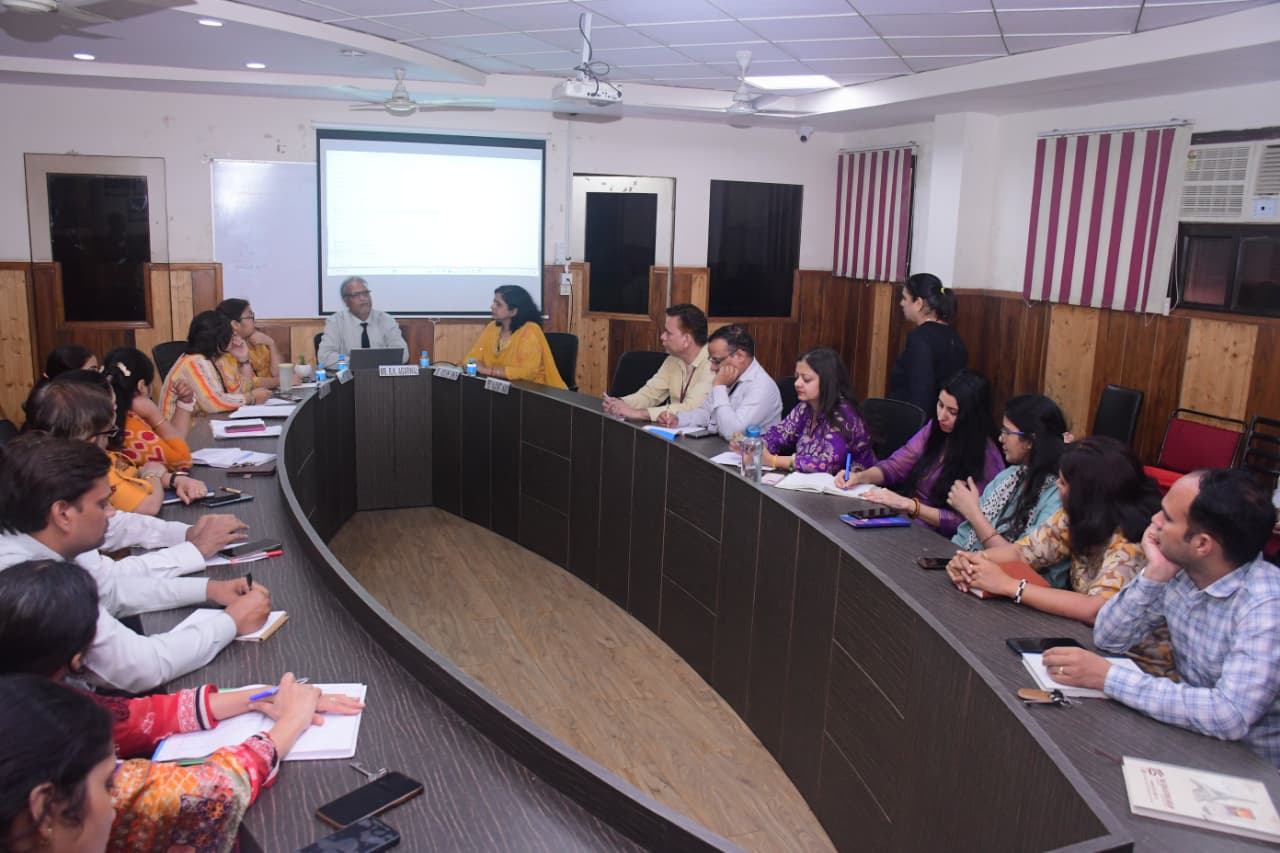
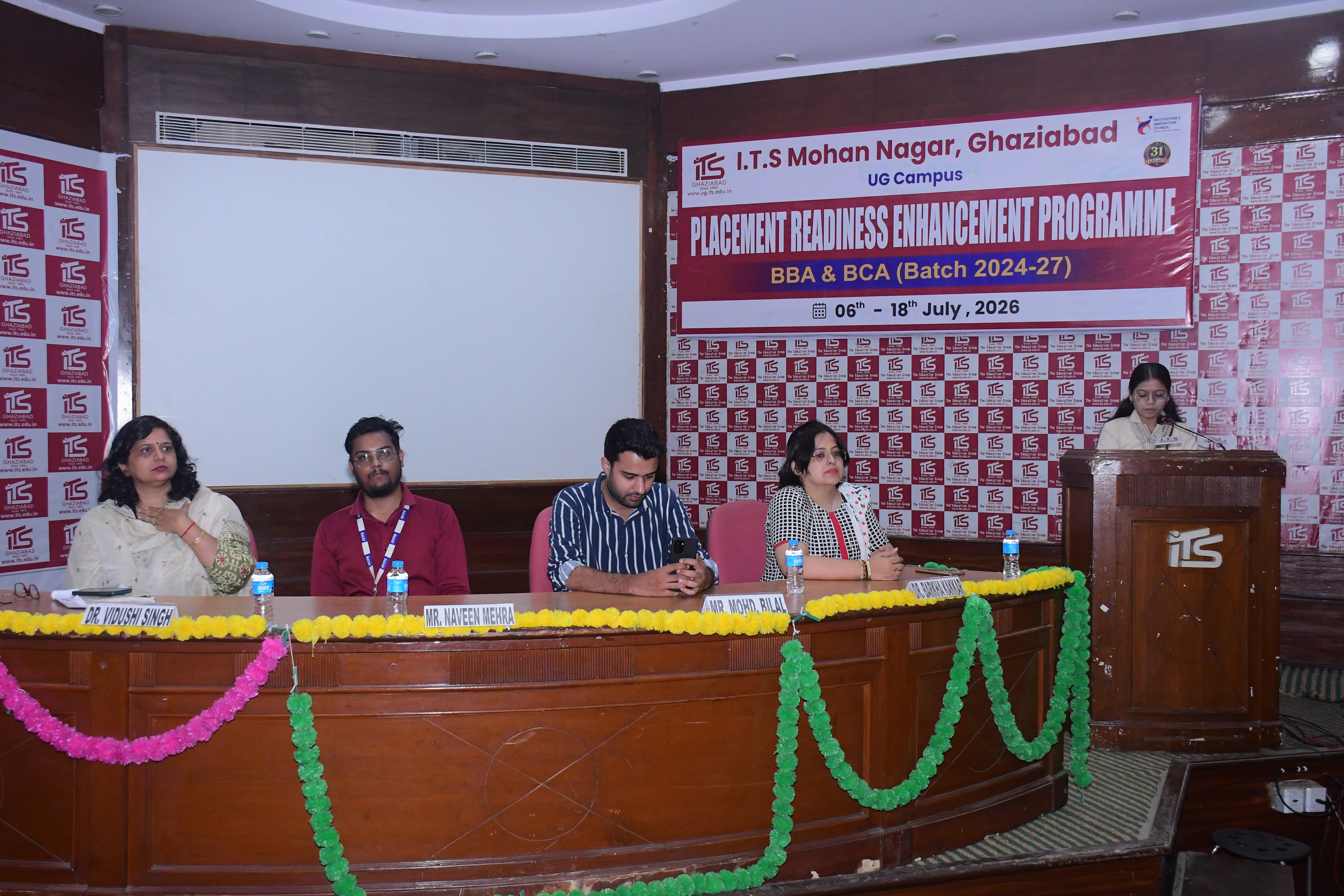
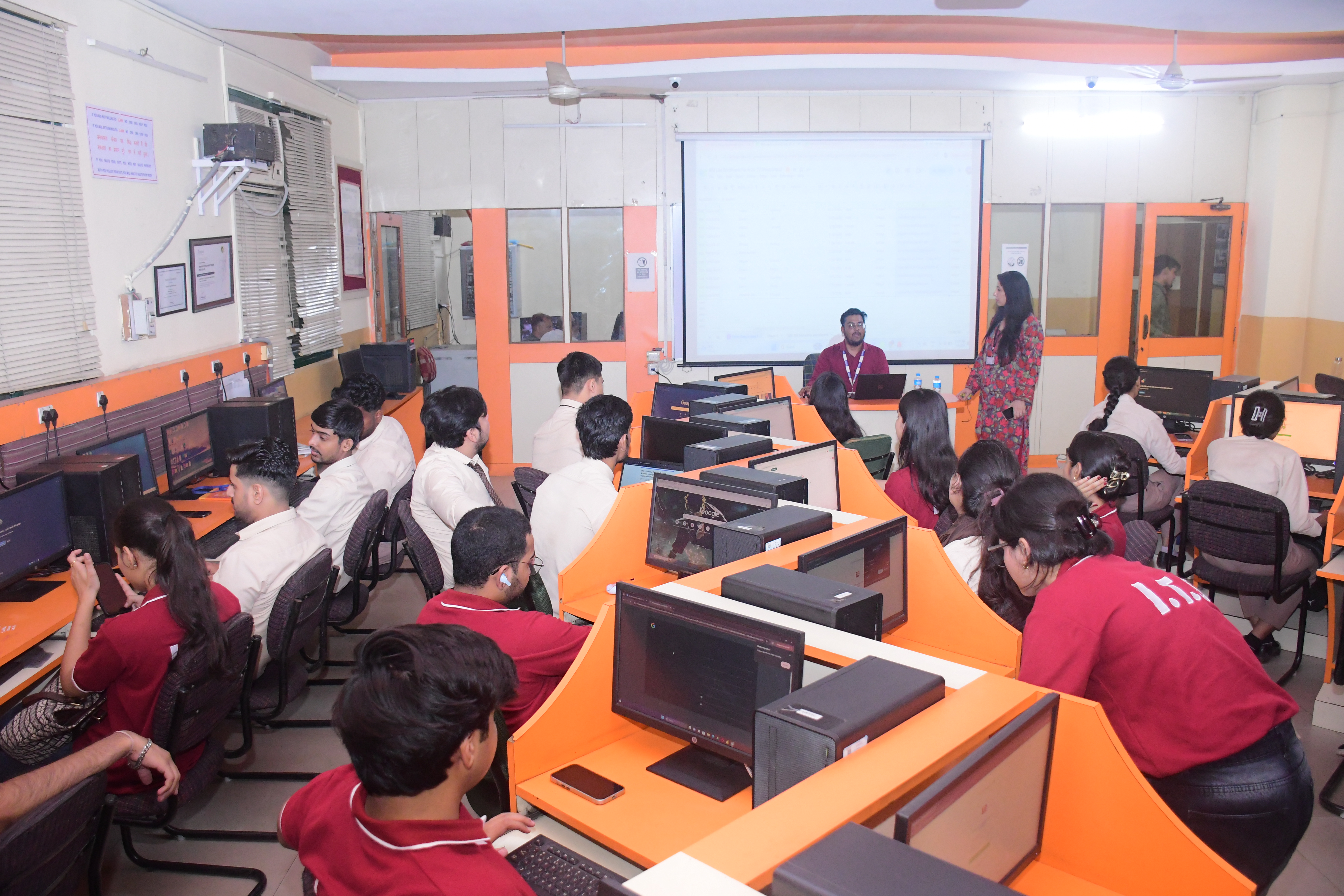
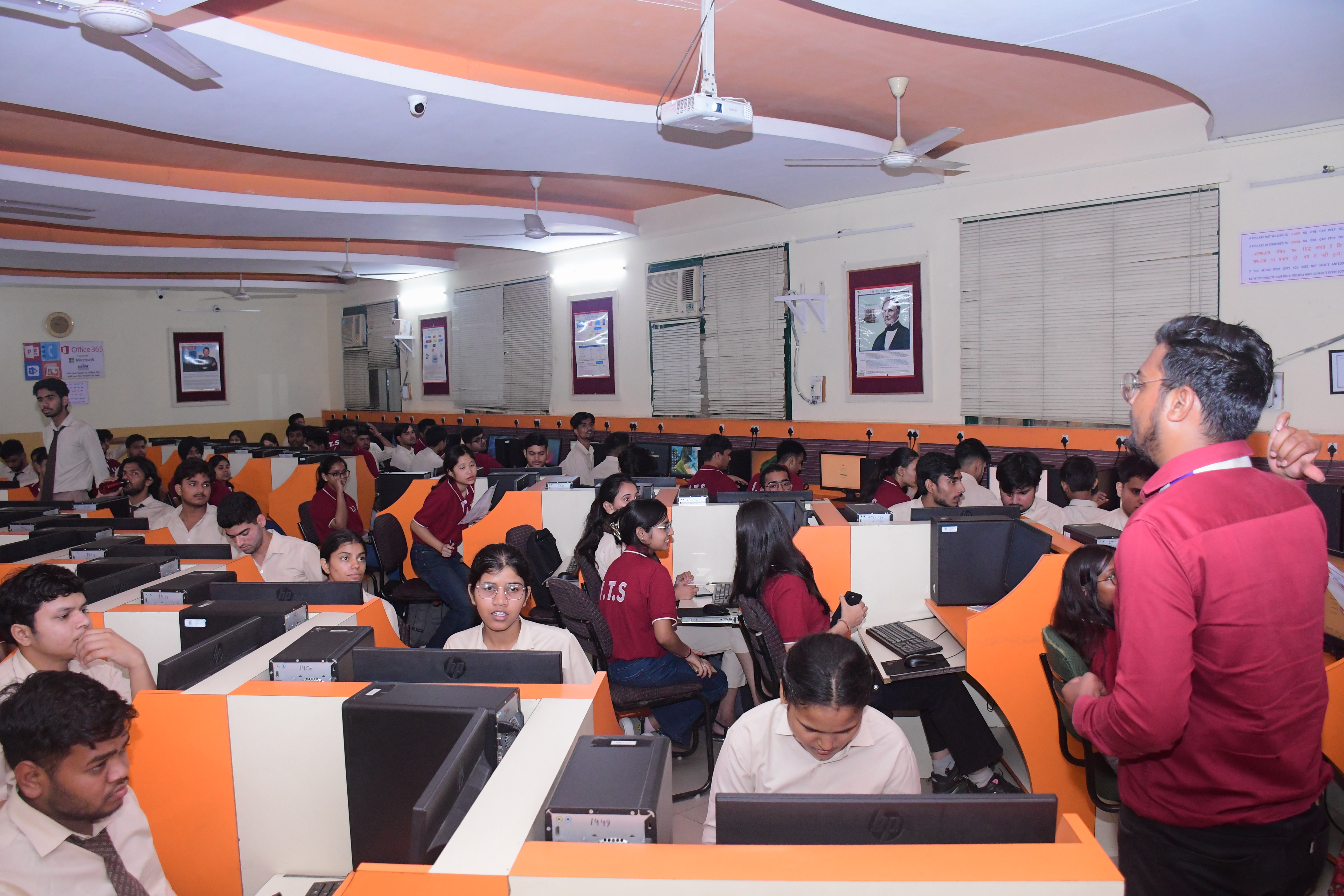
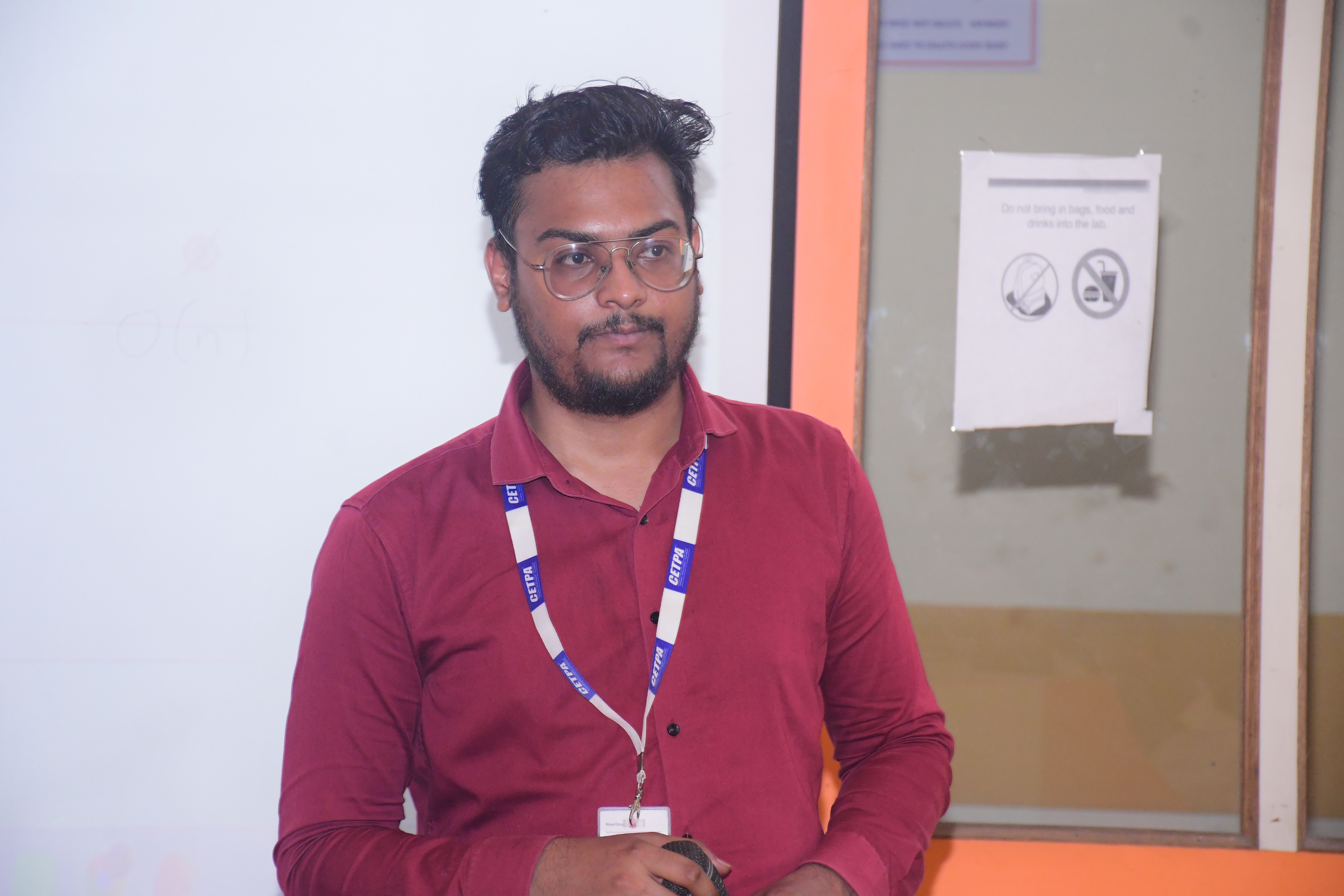
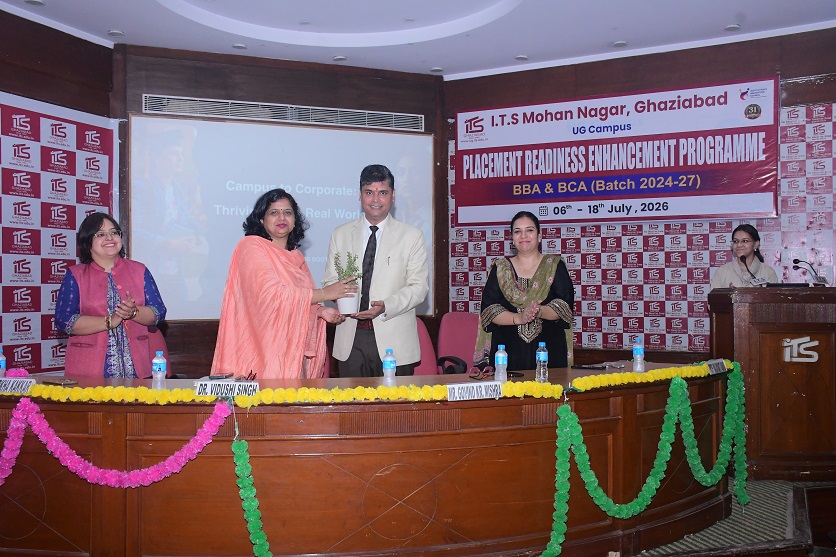
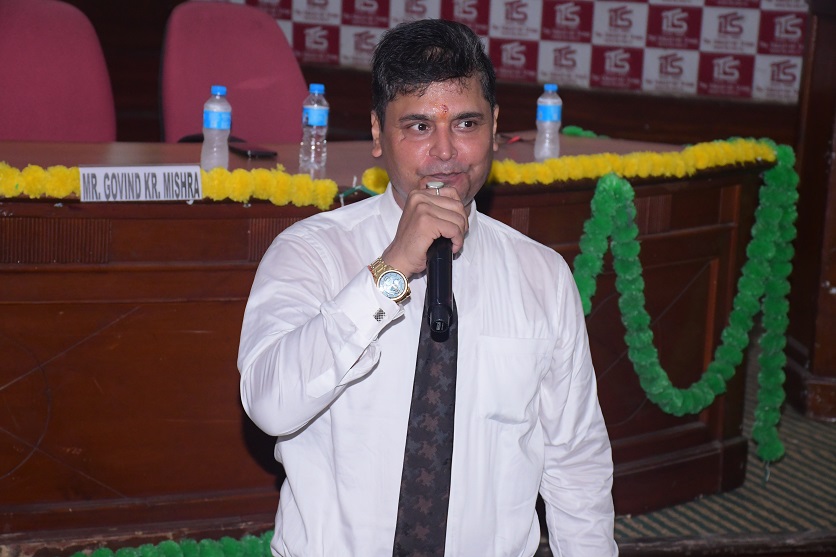
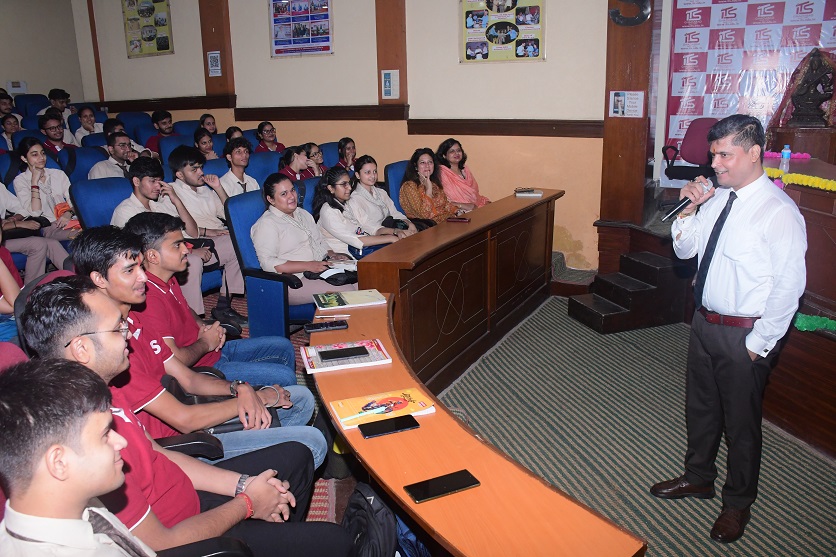
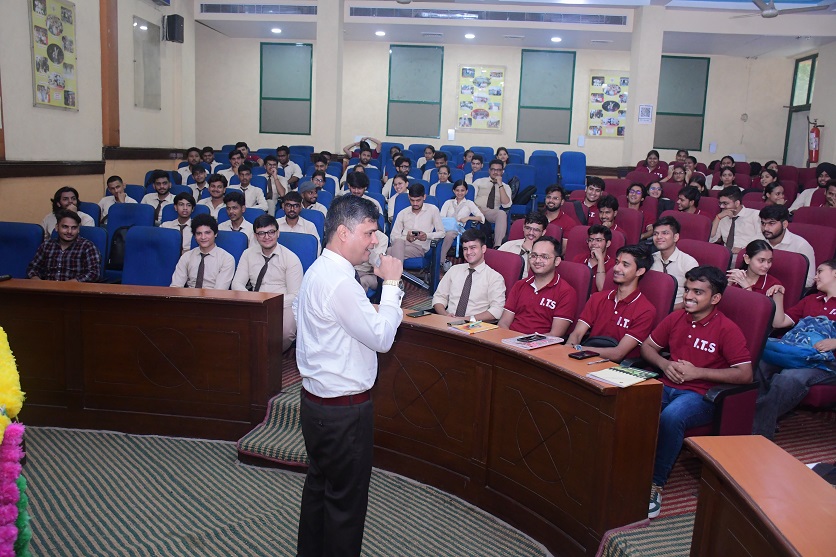
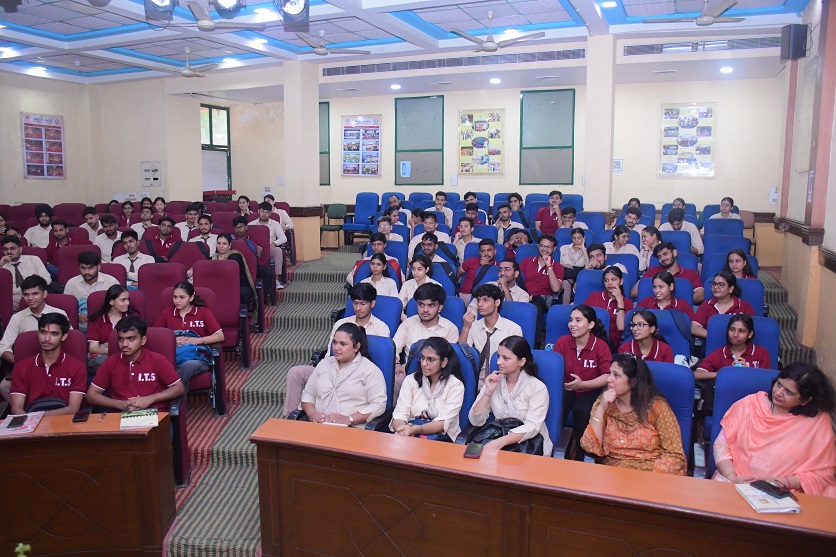
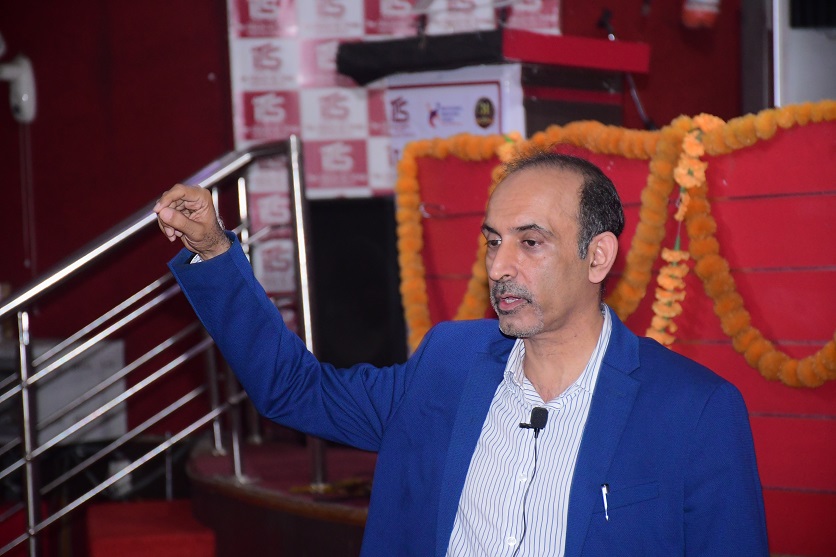
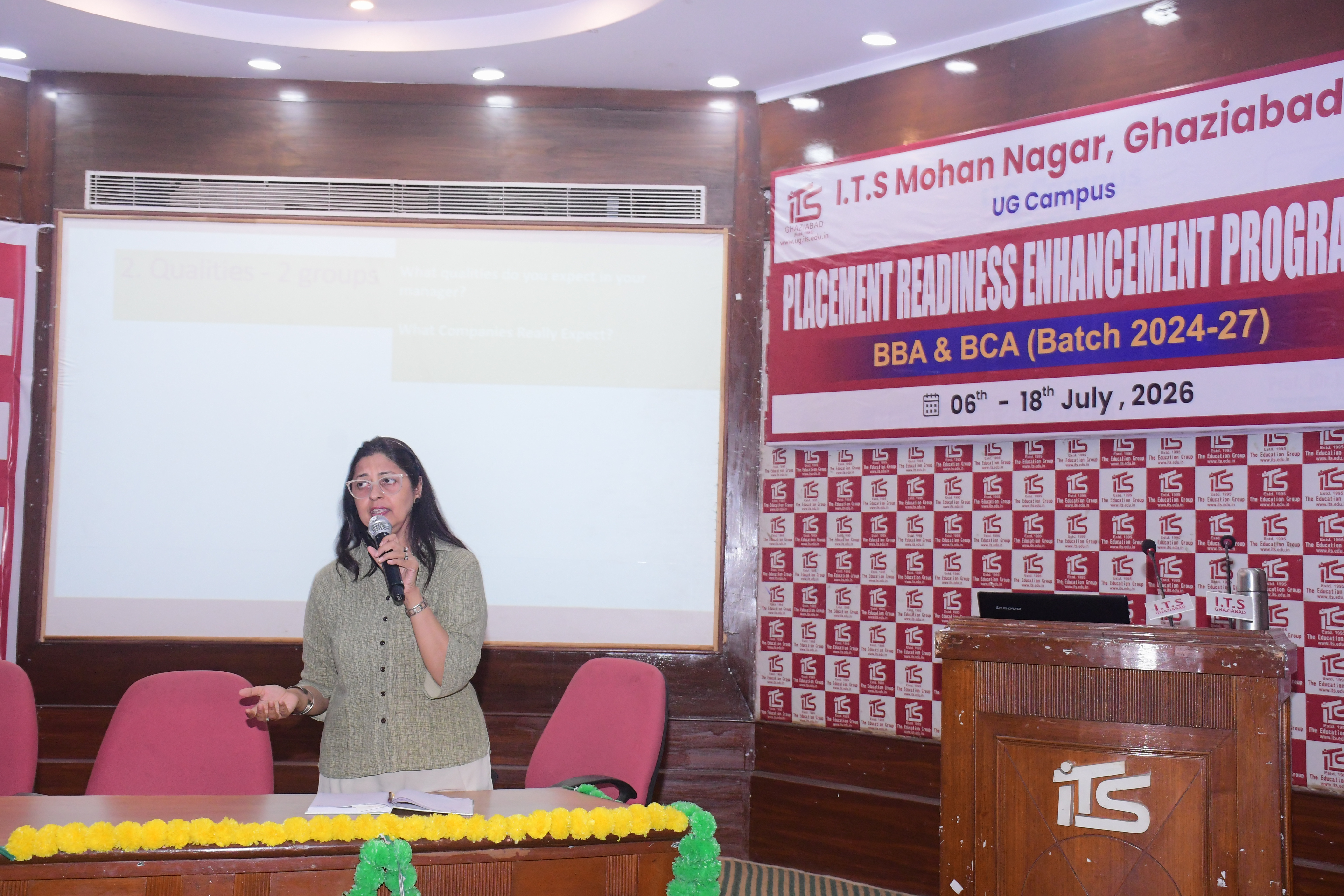
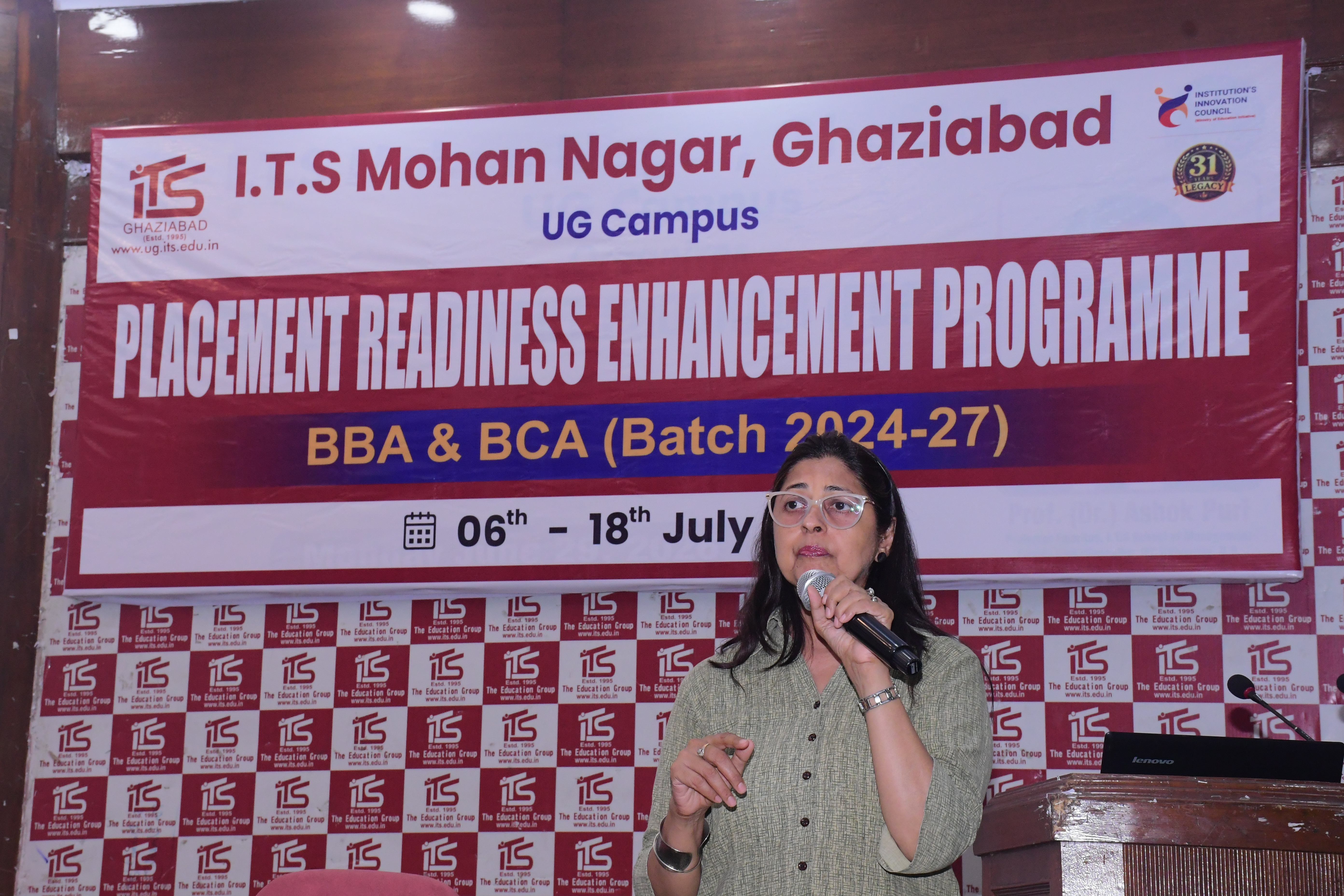
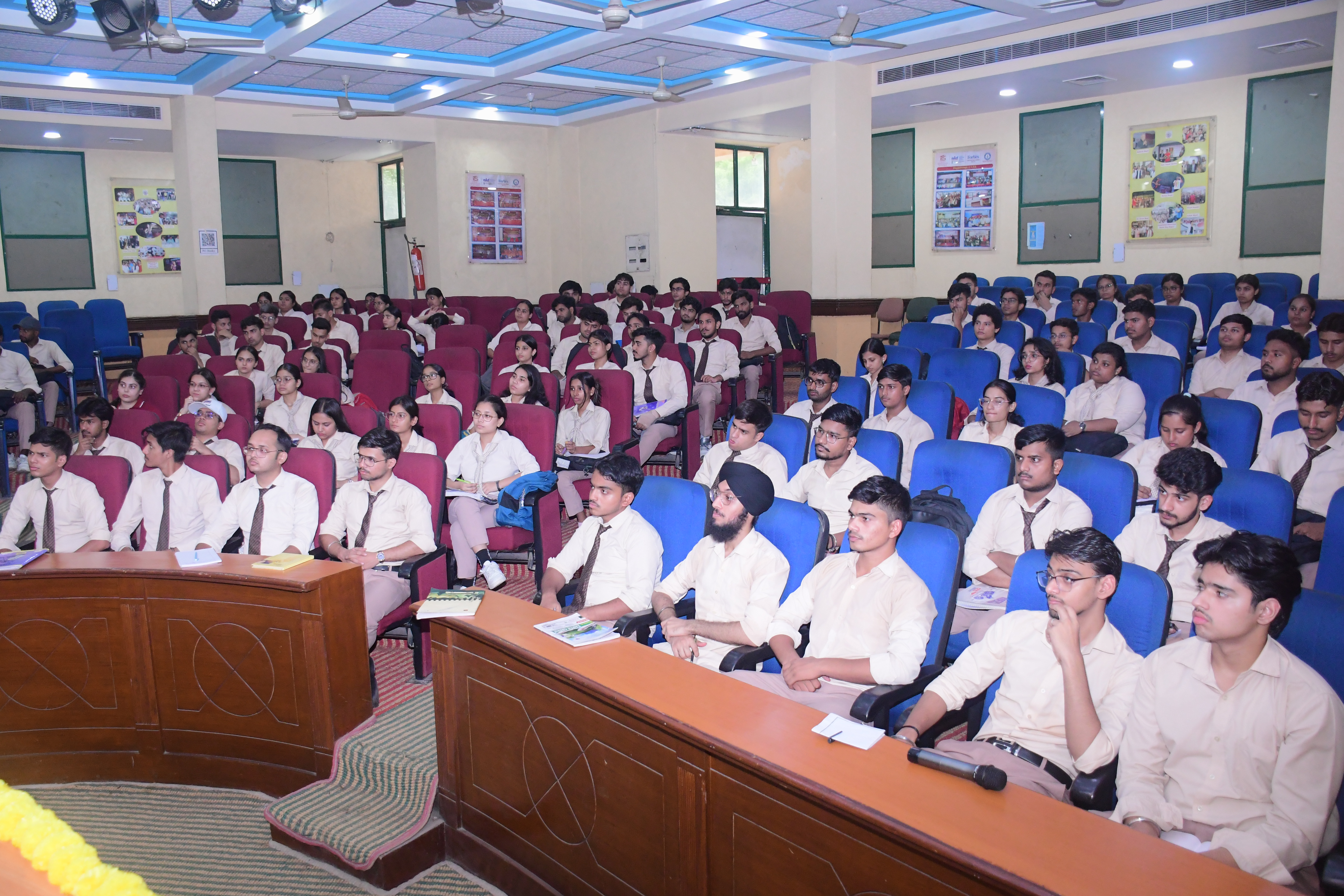
The Faculty Development Programme was conducted under the visionary leadership of Shri
Arpit Chadha, Vice Chairman, I.T.S – The Education Group, and the able guidance of Dr.
Nancy Sharma, Principal, I.T.S Mohan Nagar (UG Campus). The technical session was
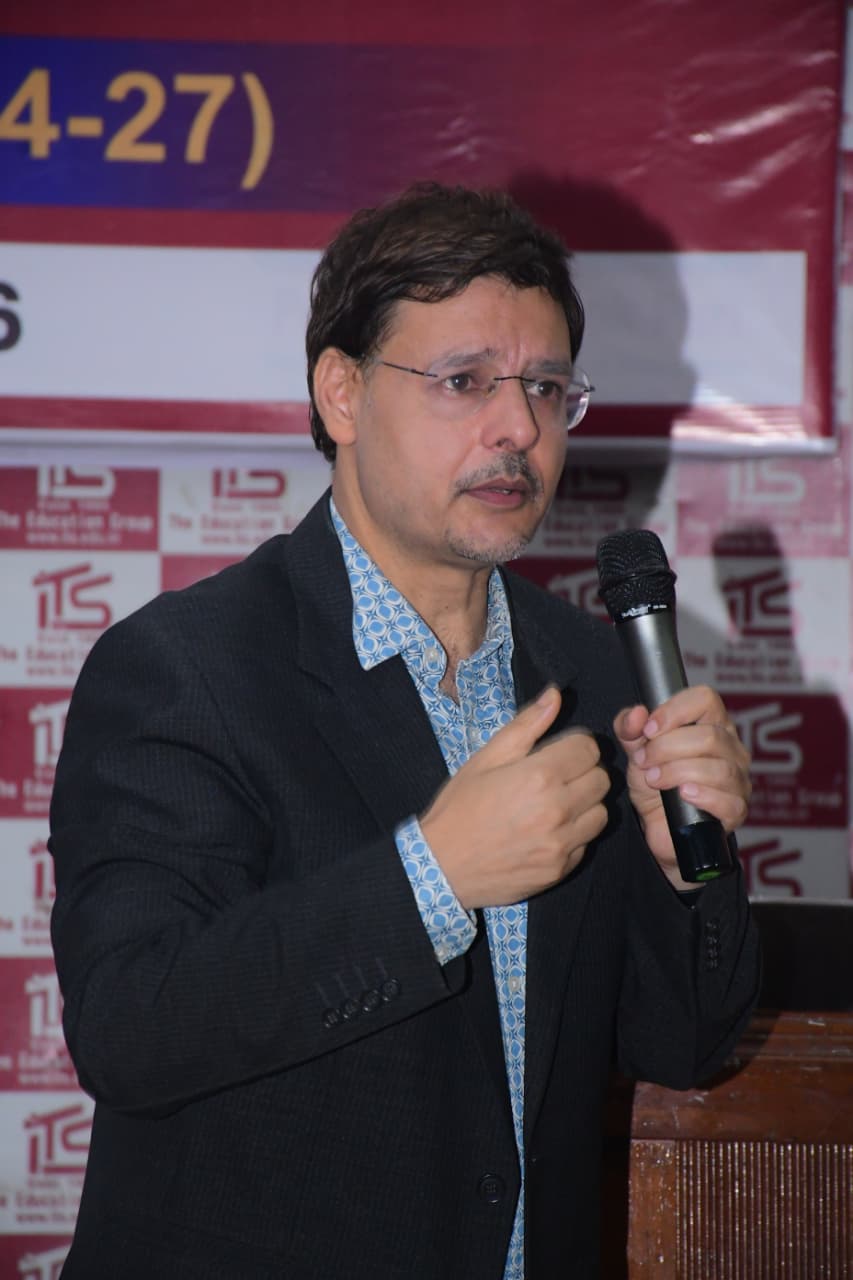
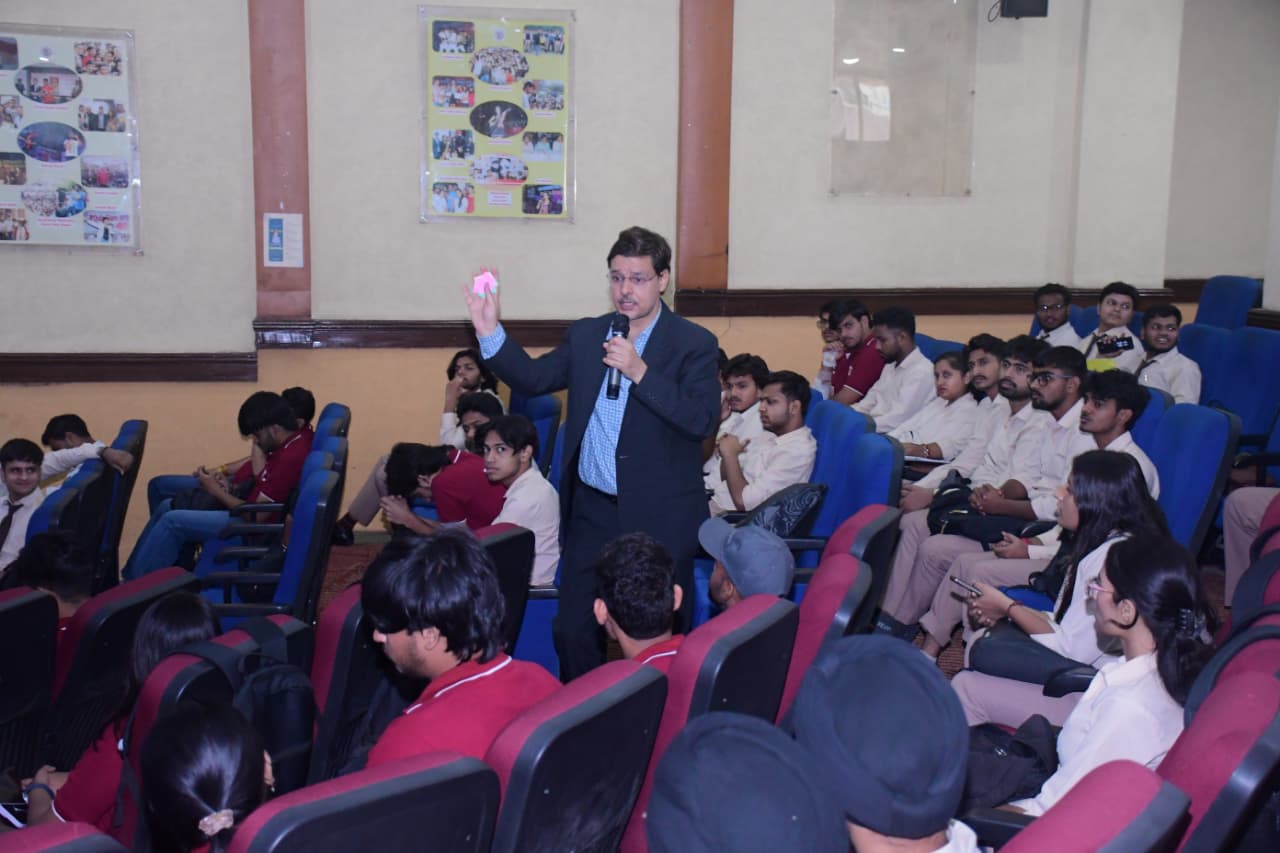
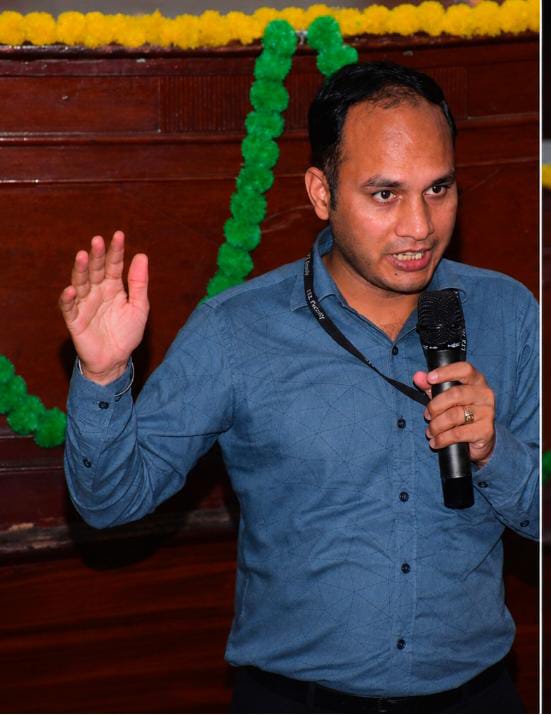
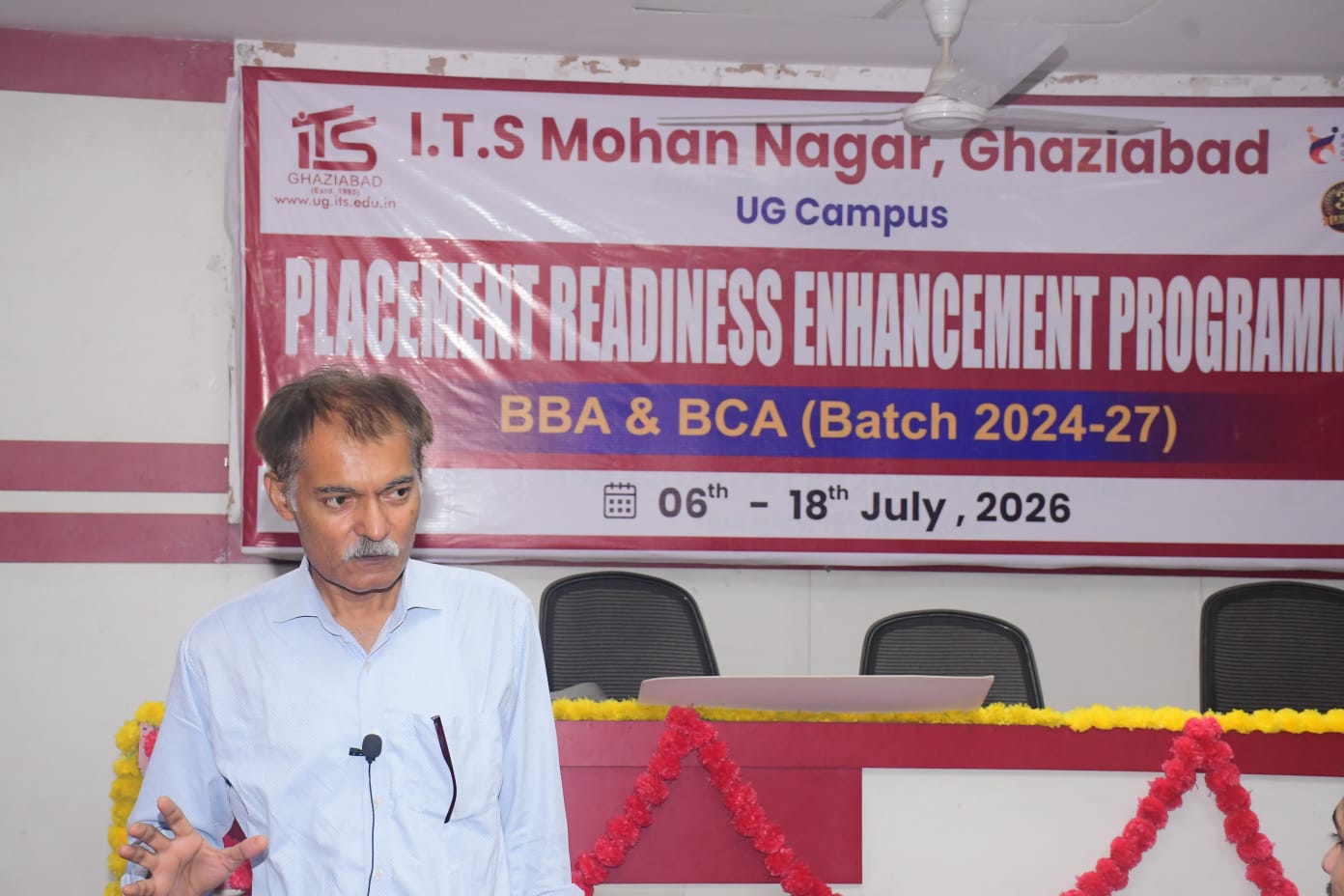
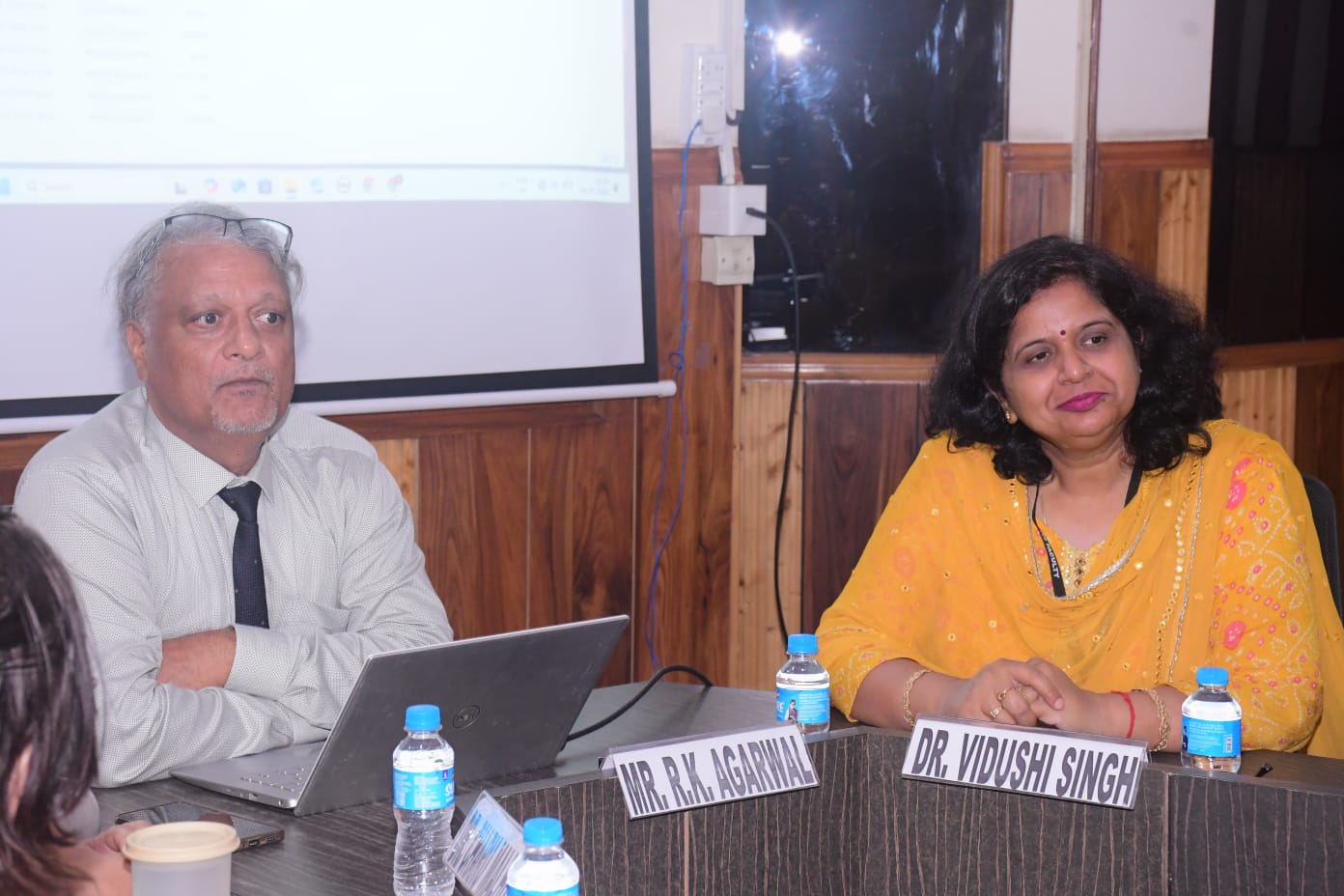
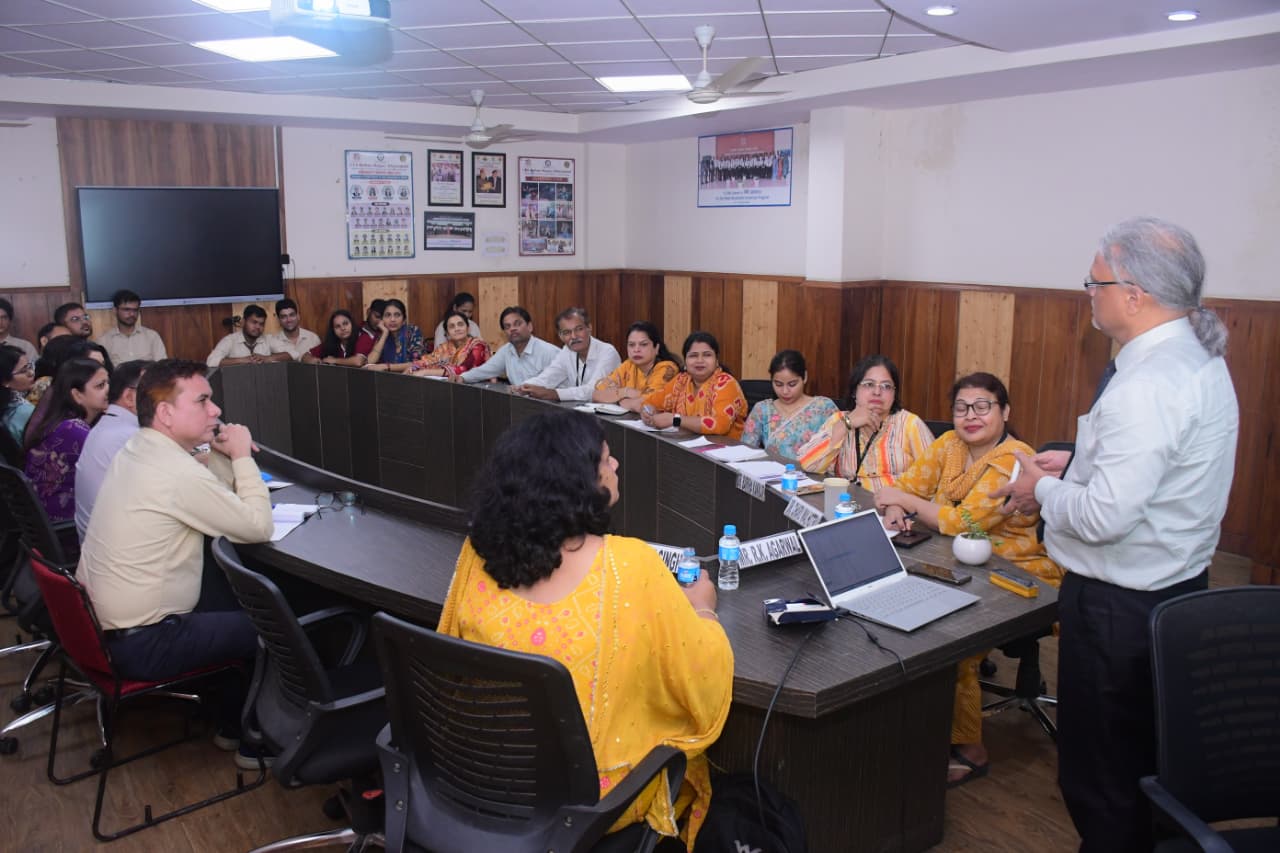
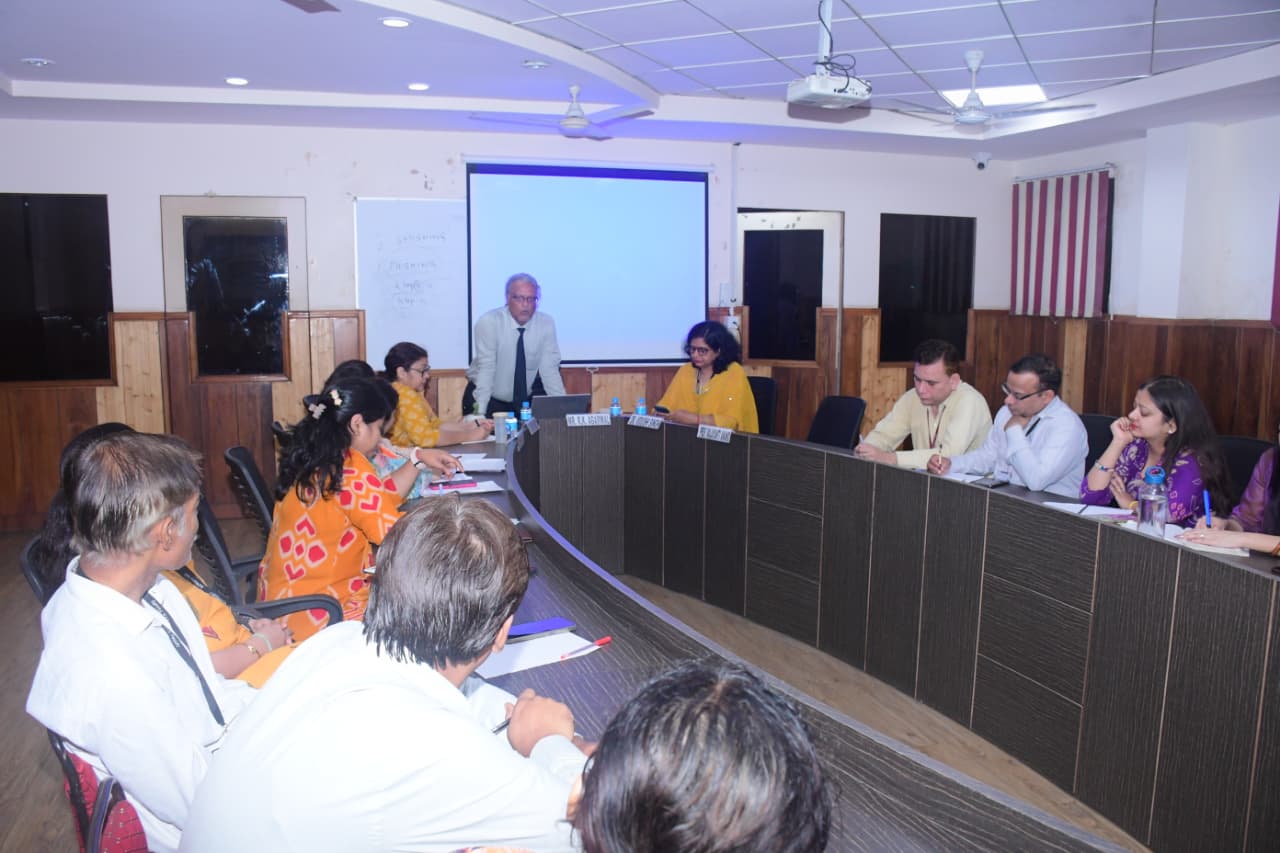
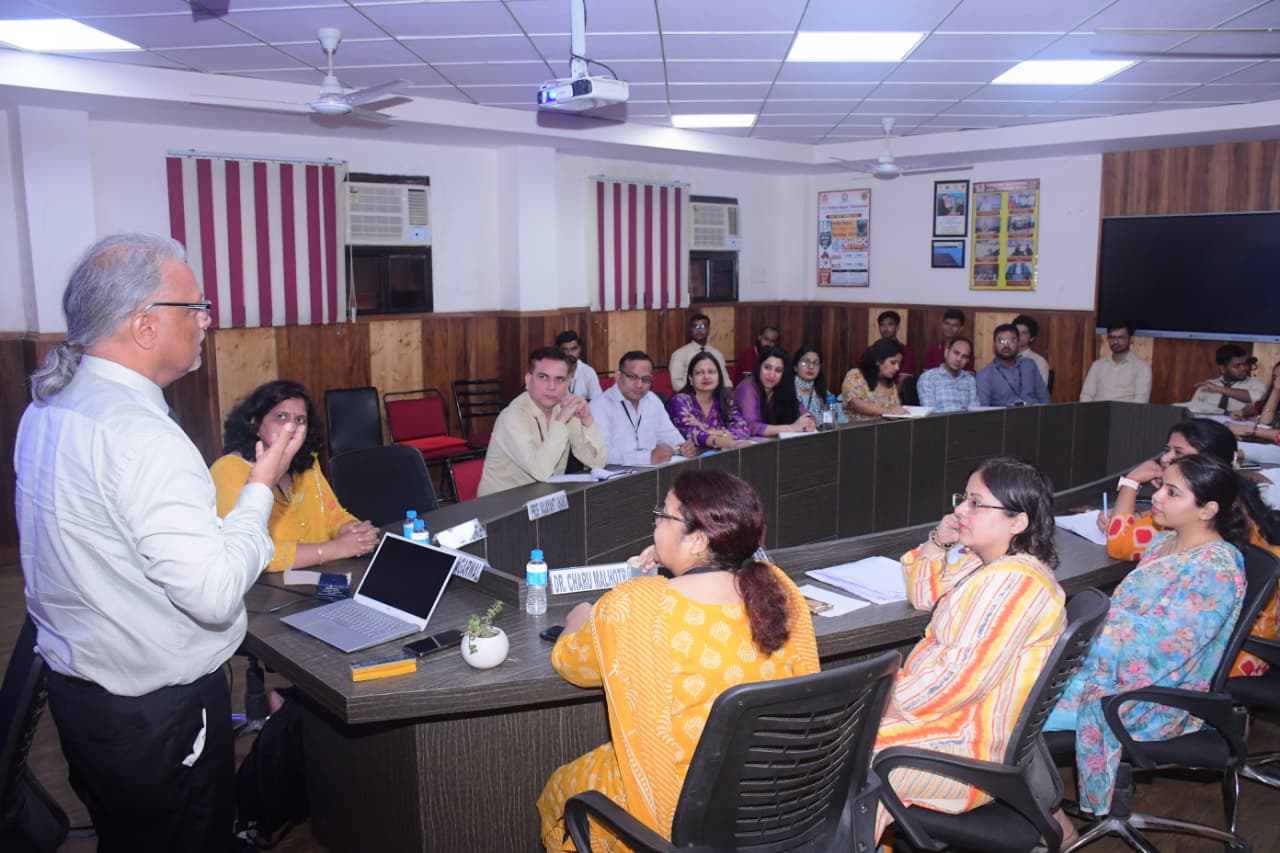
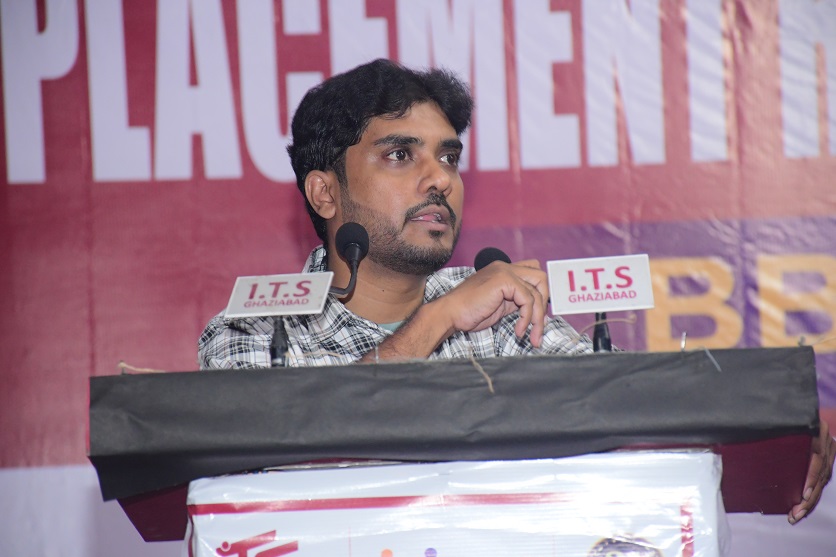
conducted by Mr. R. K. Agrawal, Banking Operations & IT Specialist and Former Officer,
Bank of India, who shared his extensive industry expertise through interactive sessions and
practical demonstrations.
The FDP commenced with a session on Cybersecurity and Cybercrime which focused on
creating awareness about common cyber threats and preventive measures. The resource person
explained various types of cyber frauds, including phishing, smishing, vishing, pharming,
spoofing, and deepfake technology, highlighting how cybercriminals exploit users through fake
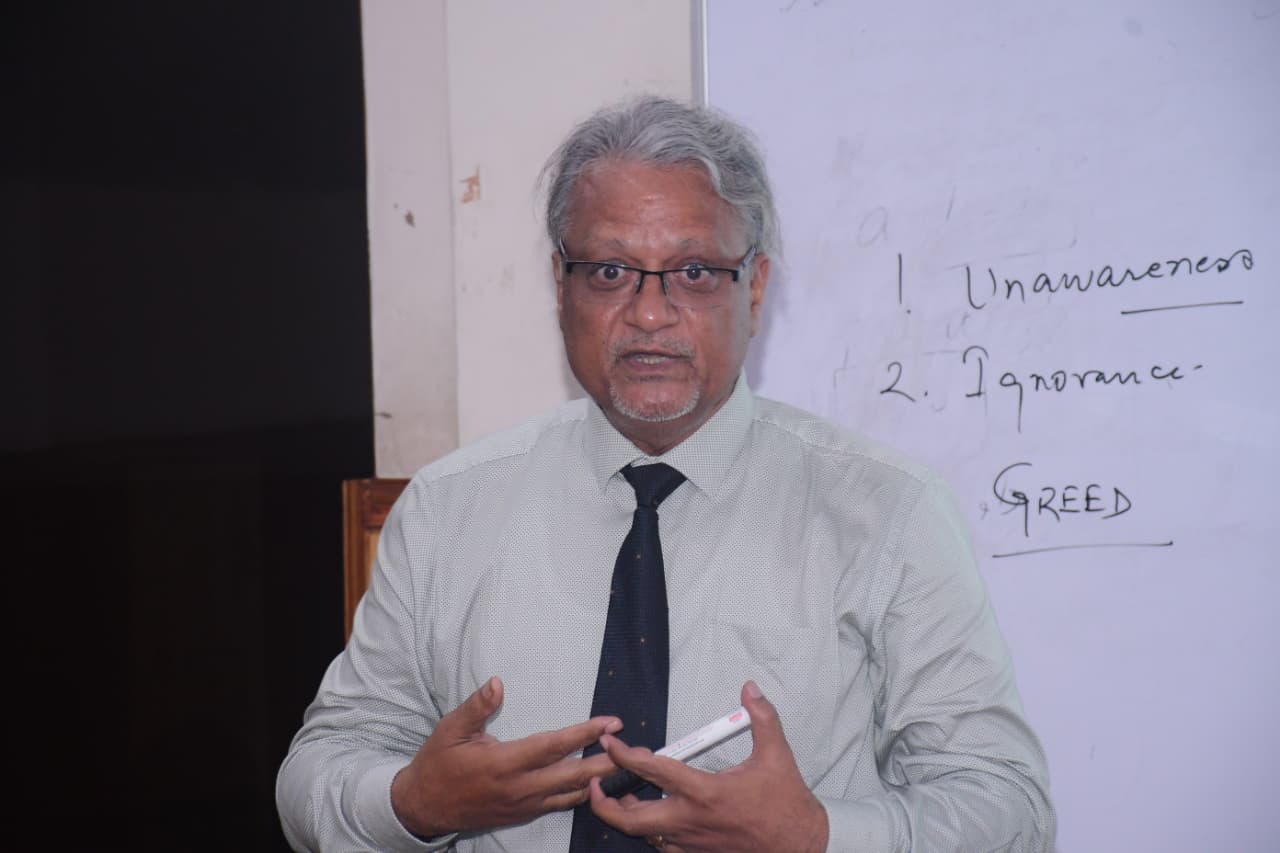
emails, websites, messages, and phone calls. Participants were informed that most cybercrimes
occur due to unawareness, ignorance, and greed, and were advised to verify website URLs,
avoid sharing confidential information, use strong passwords, enable multi-factor authentication,
and remain cautious while accessing online services. Real-life case studies further emphasized
the importance of cyber awareness and safe digital practices.
He then elaborated on Cryptocurrency, providing participants with an overview of the
evolution of digital currencies, with a special focus on Bitcoin. He explained key concepts such
as cryptocurrency mining, digital wallets, crypto currency exchanges, and peer-to-peer
(P2P) transactions, while highlighting the differences between conventional banking systems
and crypto currency-based financial networks. The session also addressed the potential benefits,
challenges, security concerns, and regulatory framework associated with the growing adoption of
digital currencies.
Mr. R. K. Agrawal further explained the fundamentals of Block chain Technology,
highlighting its key features such as transparency, decentralization, peer-to-peer (P2P)
transactions, distributed ledger technology, encryption, hashing, and immutability. He
elaborated on how blockchain securely stores data in interconnected blocks using cryptographic
hash values, making it highly resistant to unauthorized modifications. The concept of consensus
mechanisms for transaction validation was also discussed to demonstrate how trust and security
are maintained within the network. He further illustrated the practical applications of block chain
in education, digital voting, pension management, and Central Bank Digital Currency
(CBDC), emphasizing its role in enabling secure, transparent, and tamper-proof digital
transactions across diverse sectors.